The Science Behind Hibiscus Tea
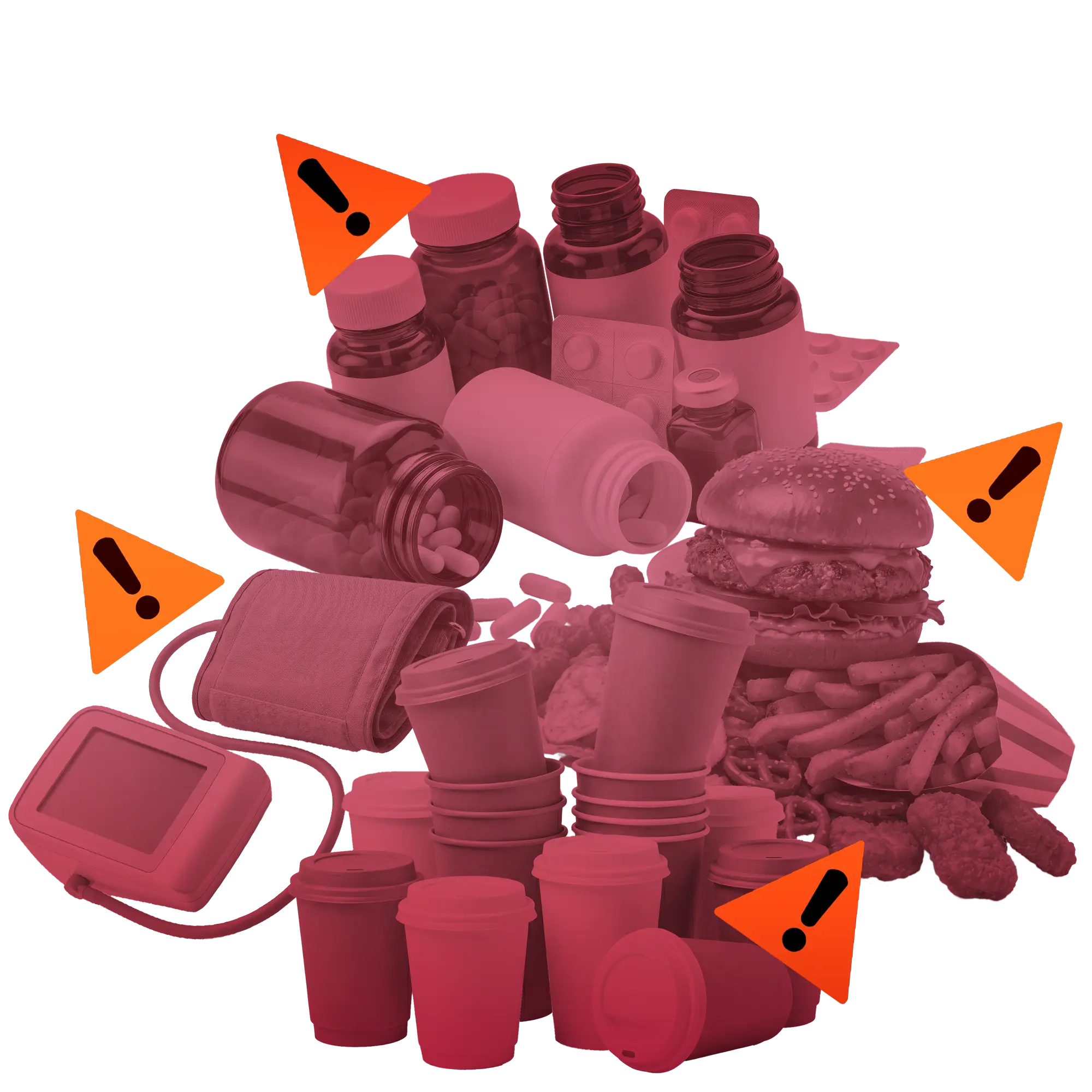
If you've quit coffee and felt miserable, choked down beet powder until you couldn't anymore, abandoned ACV shots that burned your throat, or watched another shelf of "heart health" supplements sit unopened in your cabinet — the problem isn't your willpower. It's that nothing you've tried tasted good and actually worked.
Hibiscus is the rare exception: clinically researched and genuinely enjoyable.
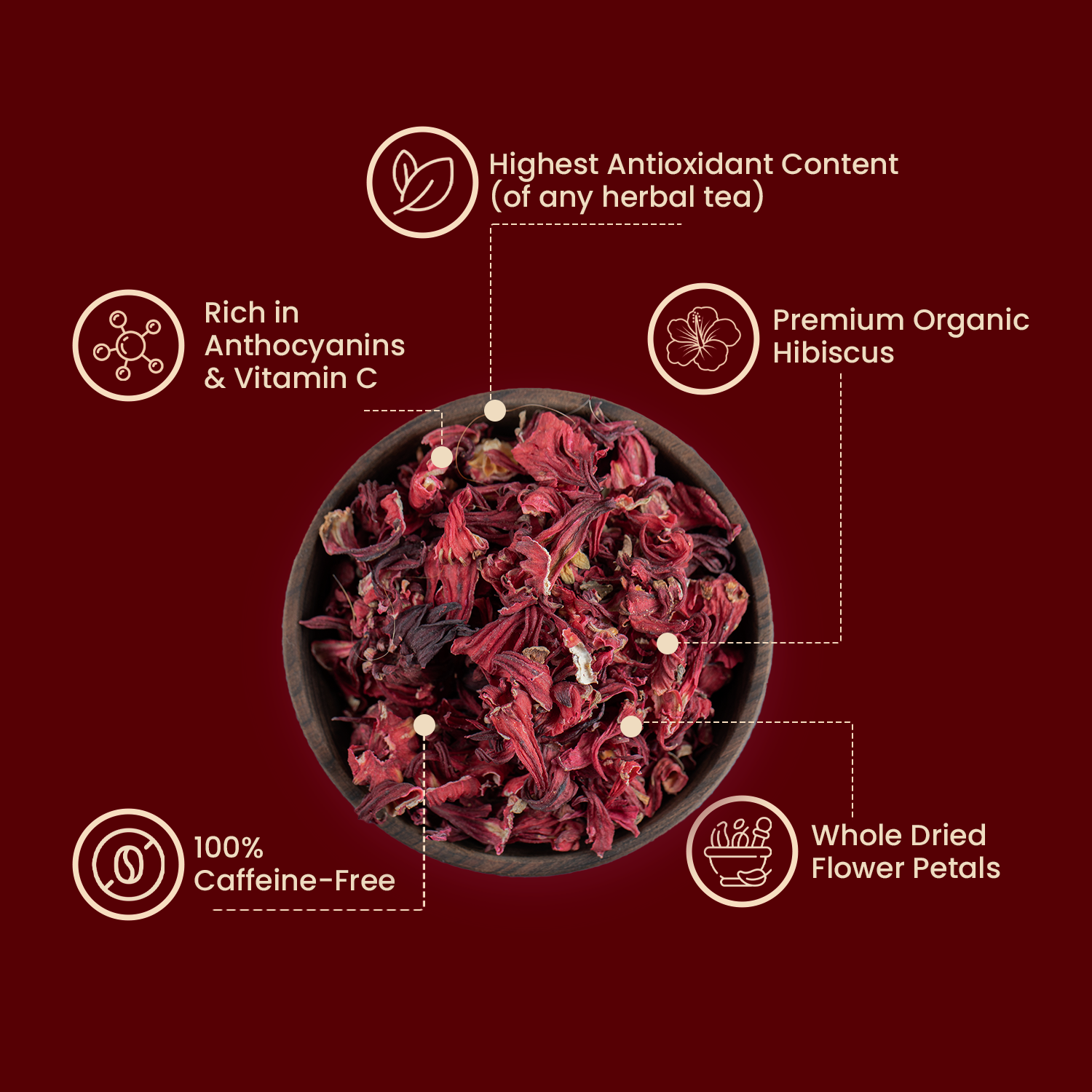
The compounds in hibiscus — particularly
anthocyanins
(the same antioxidants that make berries deep red) and natural
ACE-inhibiting peptides
— work with your cardiovascular system, not against it. They support healthy blood vessel function, reduce oxidative damage, and gently lower elevated blood pressure without forcing your body into anything unnatural.
Your body needs:
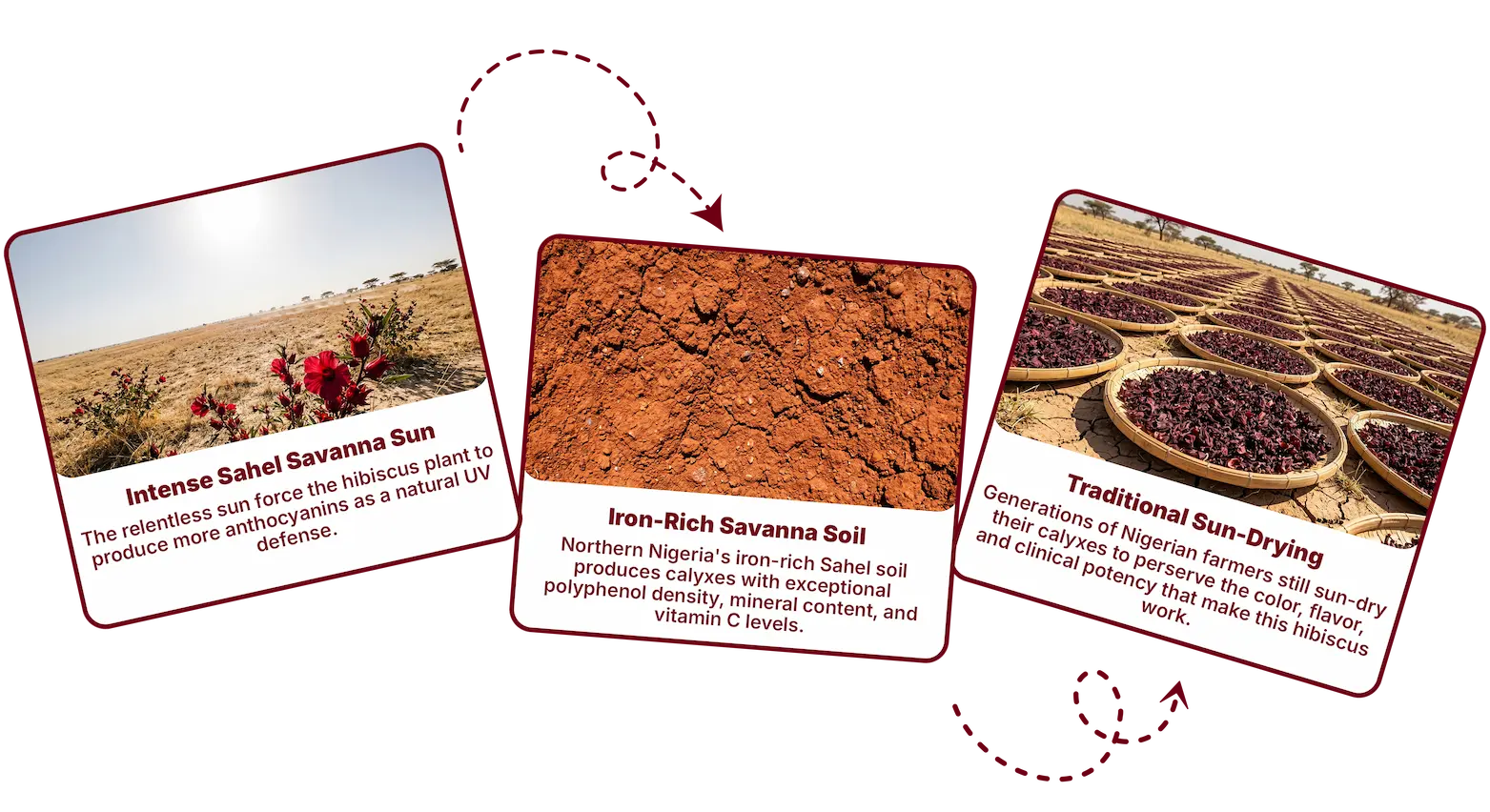
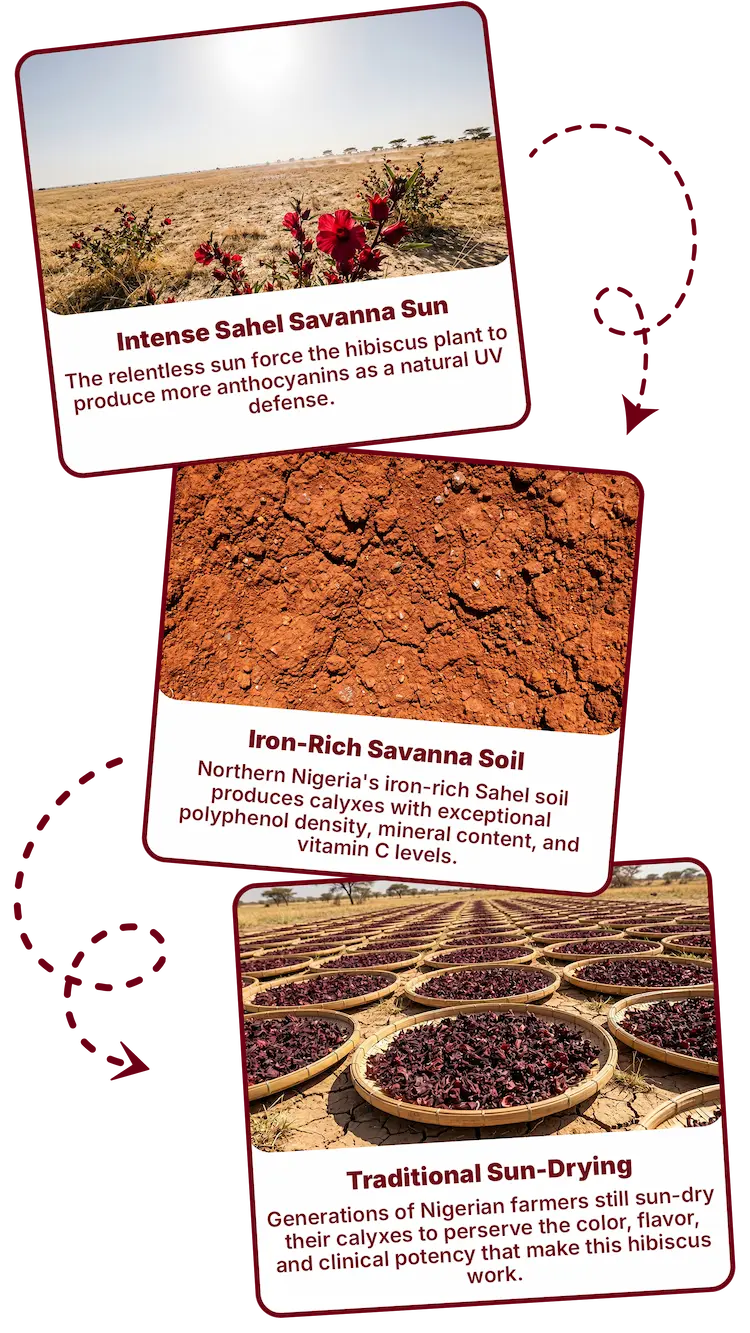
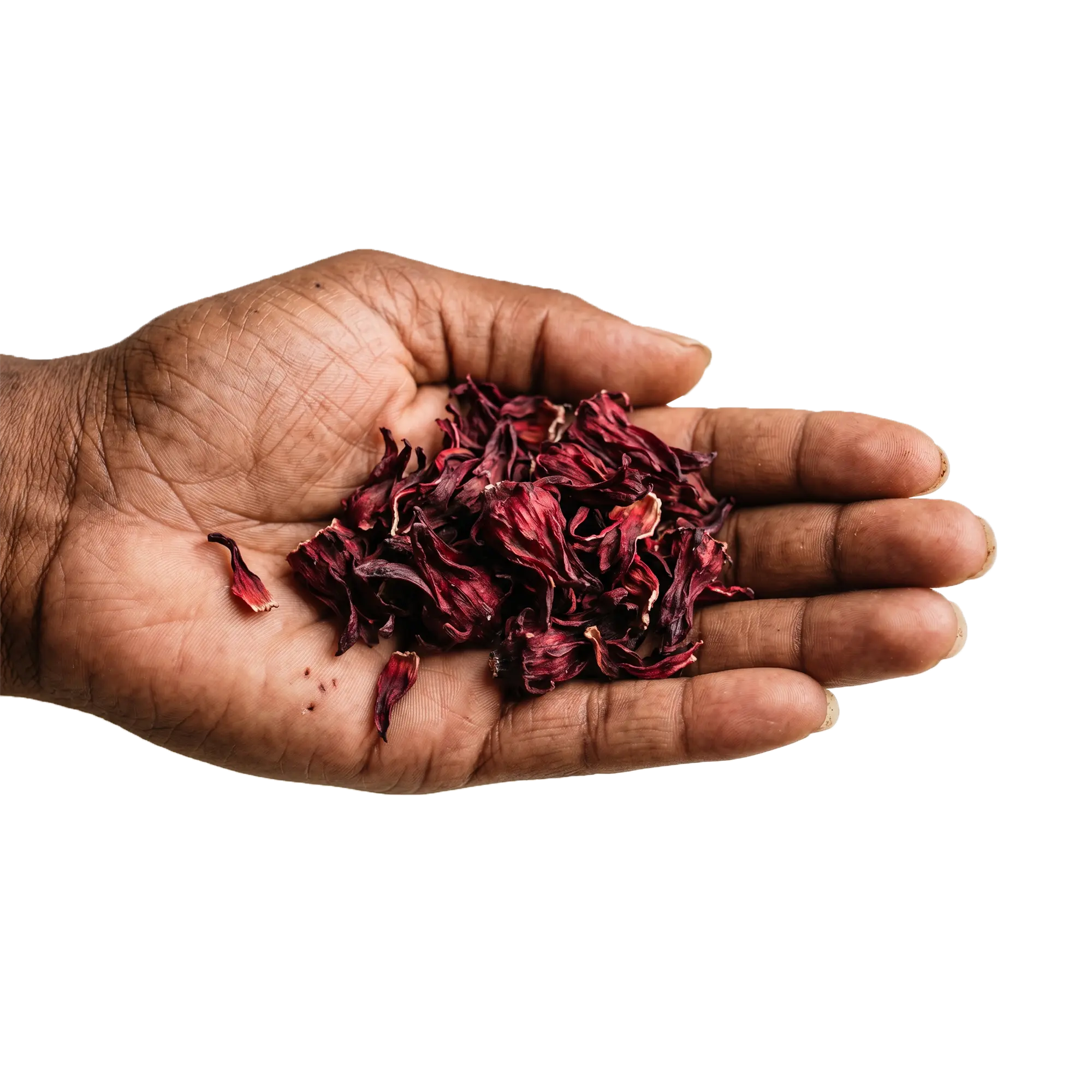
These compounds are concentrated in hibiscus — but only when the calyxes are
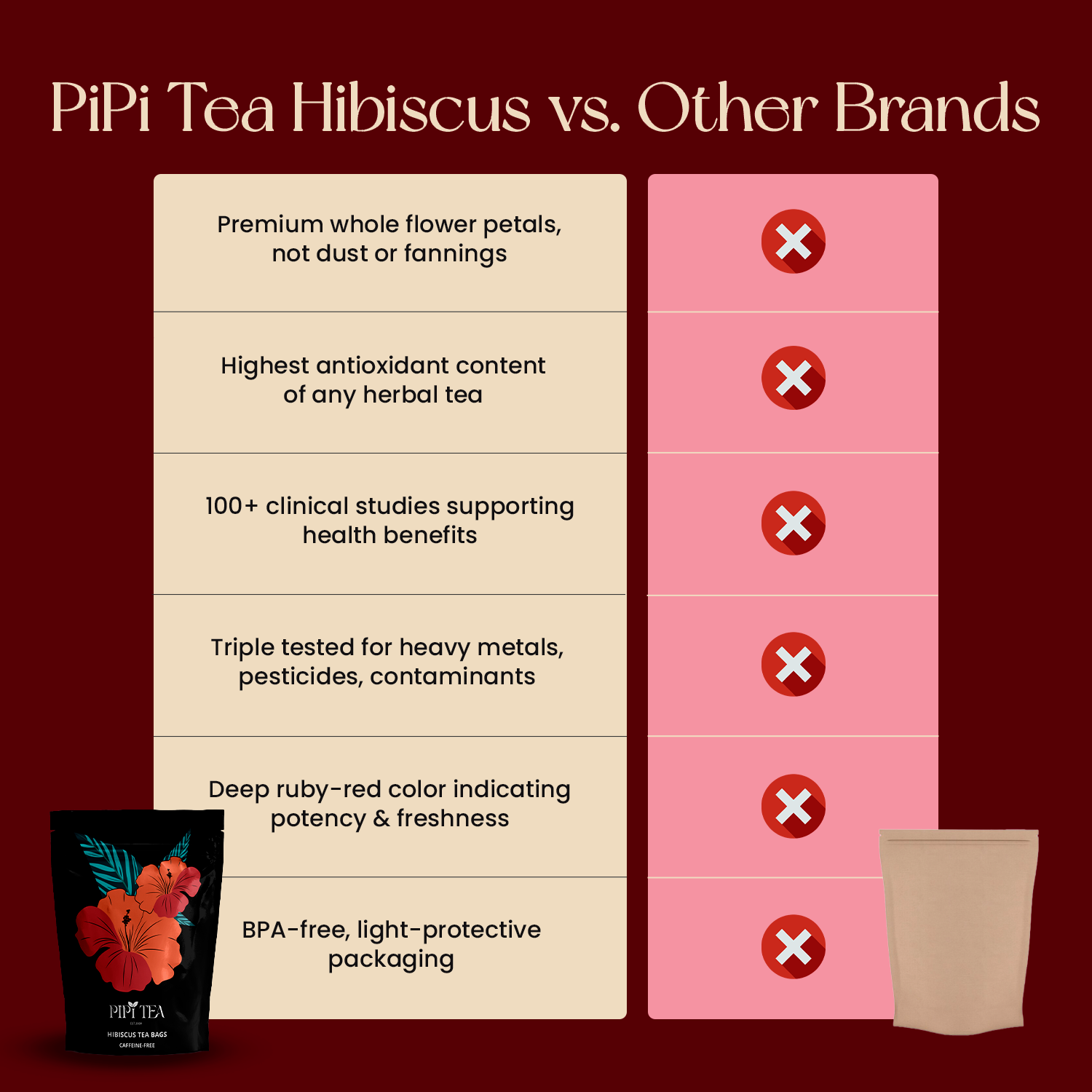
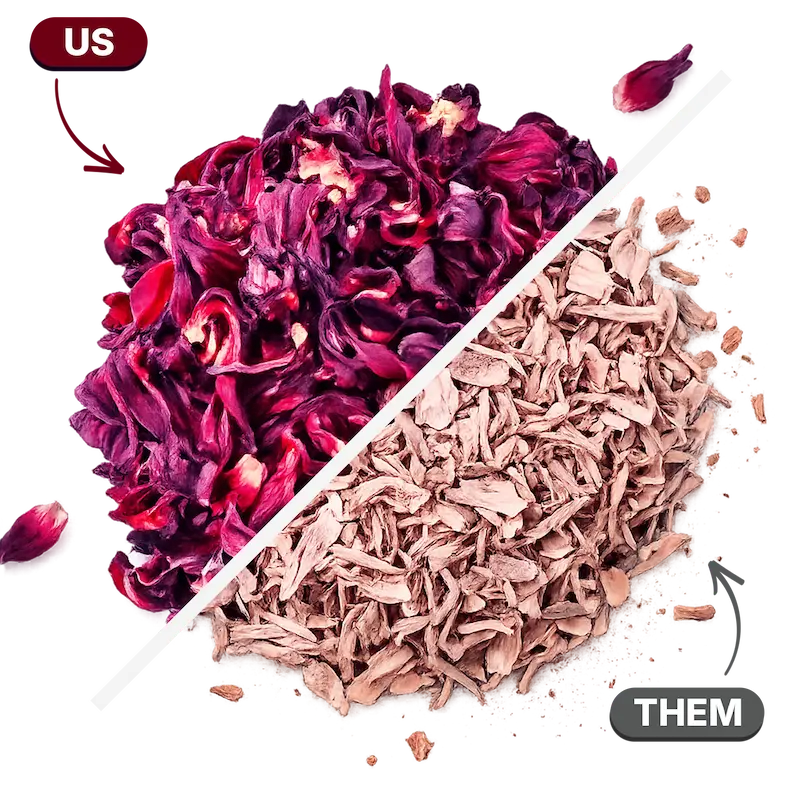
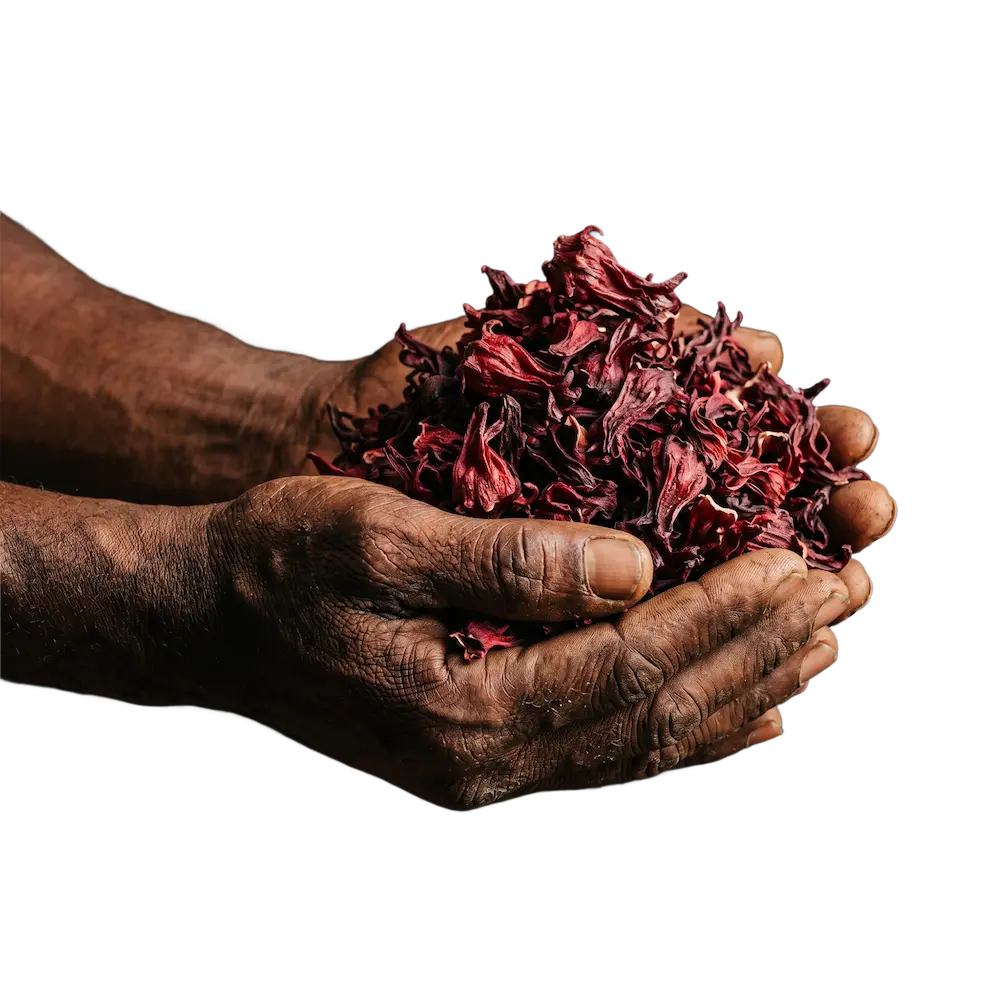
deep ruby-red, hand-harvested at peak bloom, and slow sun-dried.
Mass-market hibiscus is faded, machine-stripped, and flash-dried at high heat that destroys the heat-sensitive anthocyanins. Most "hibiscus tea" on store shelves is essentially pink-tinted water from a therapeutic standpoint.
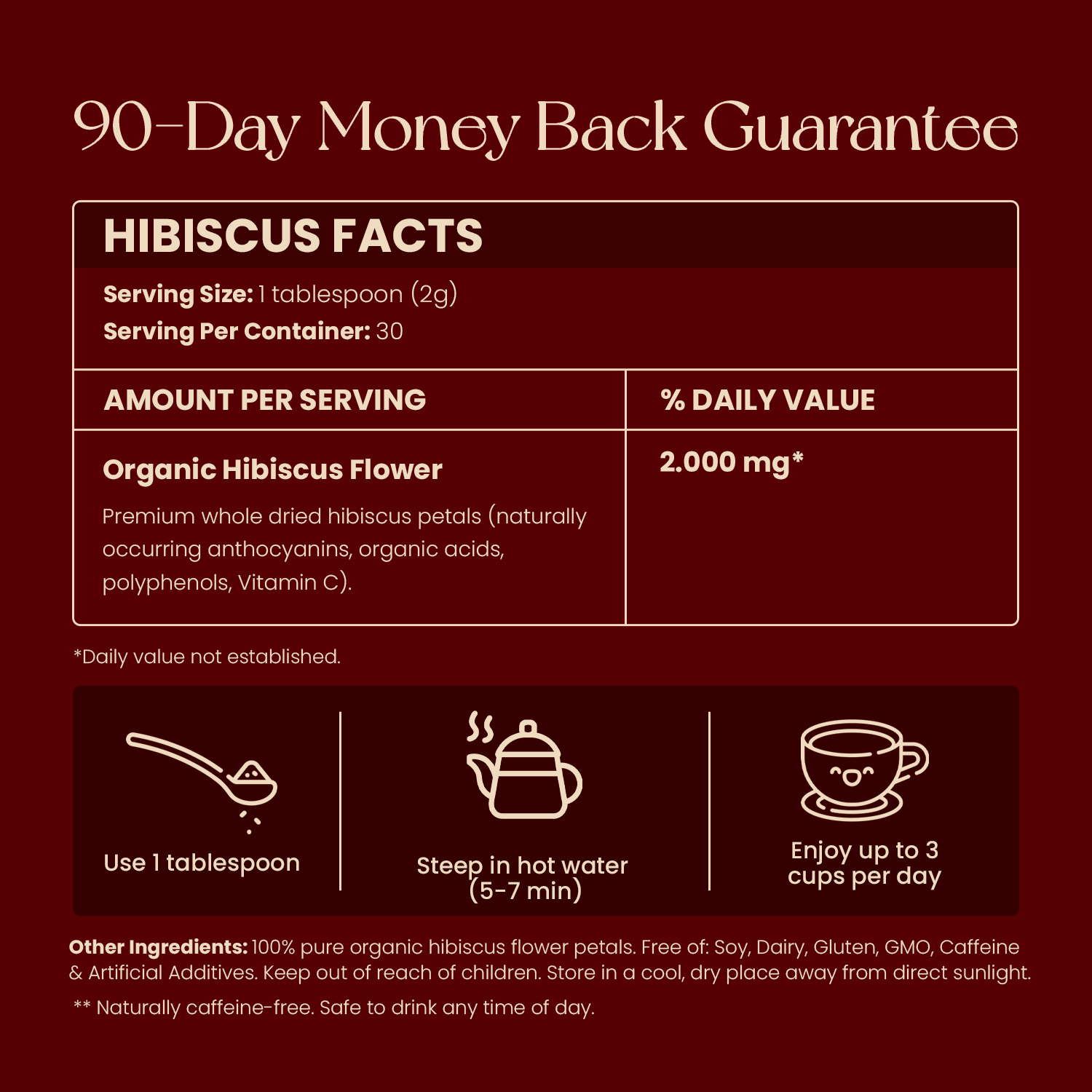
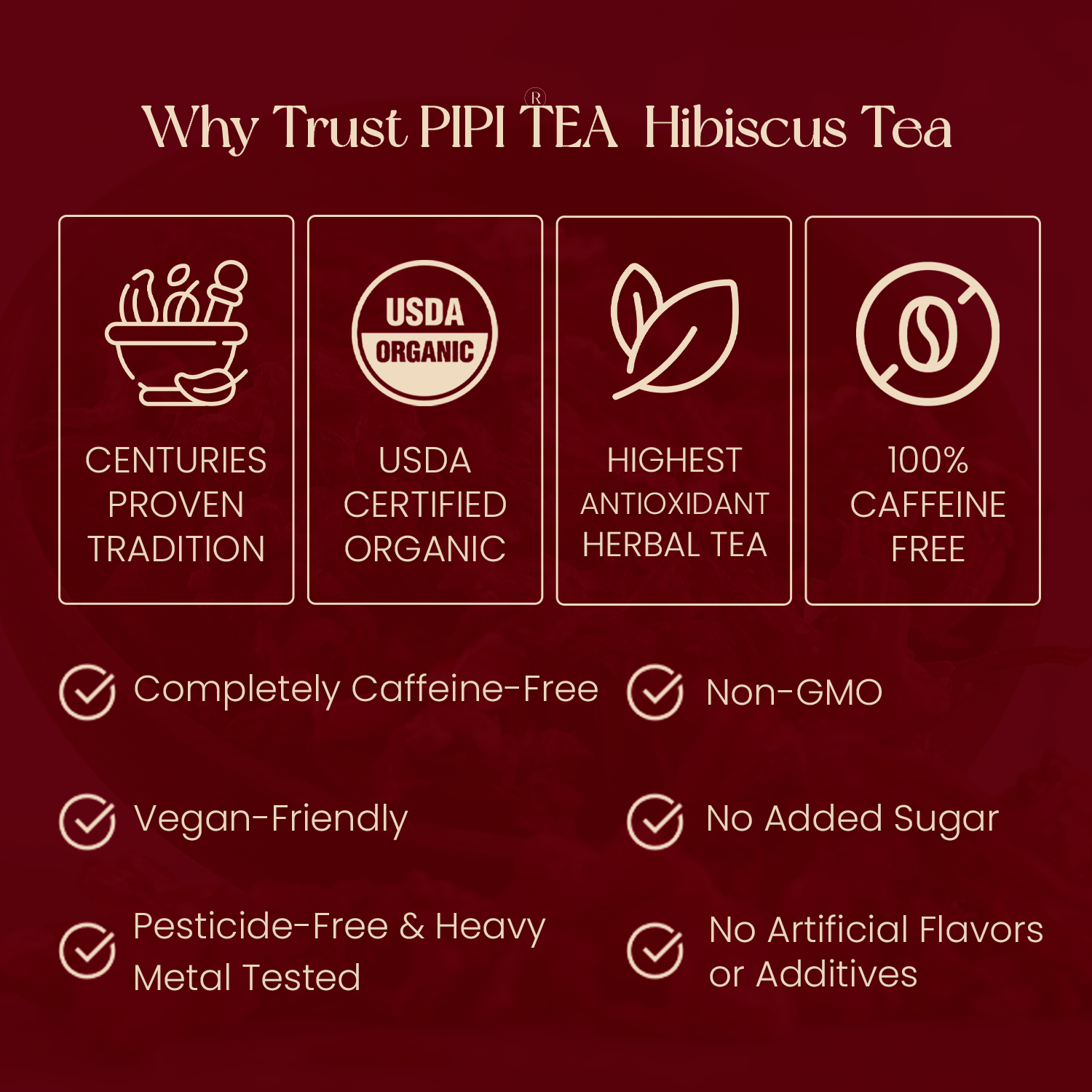
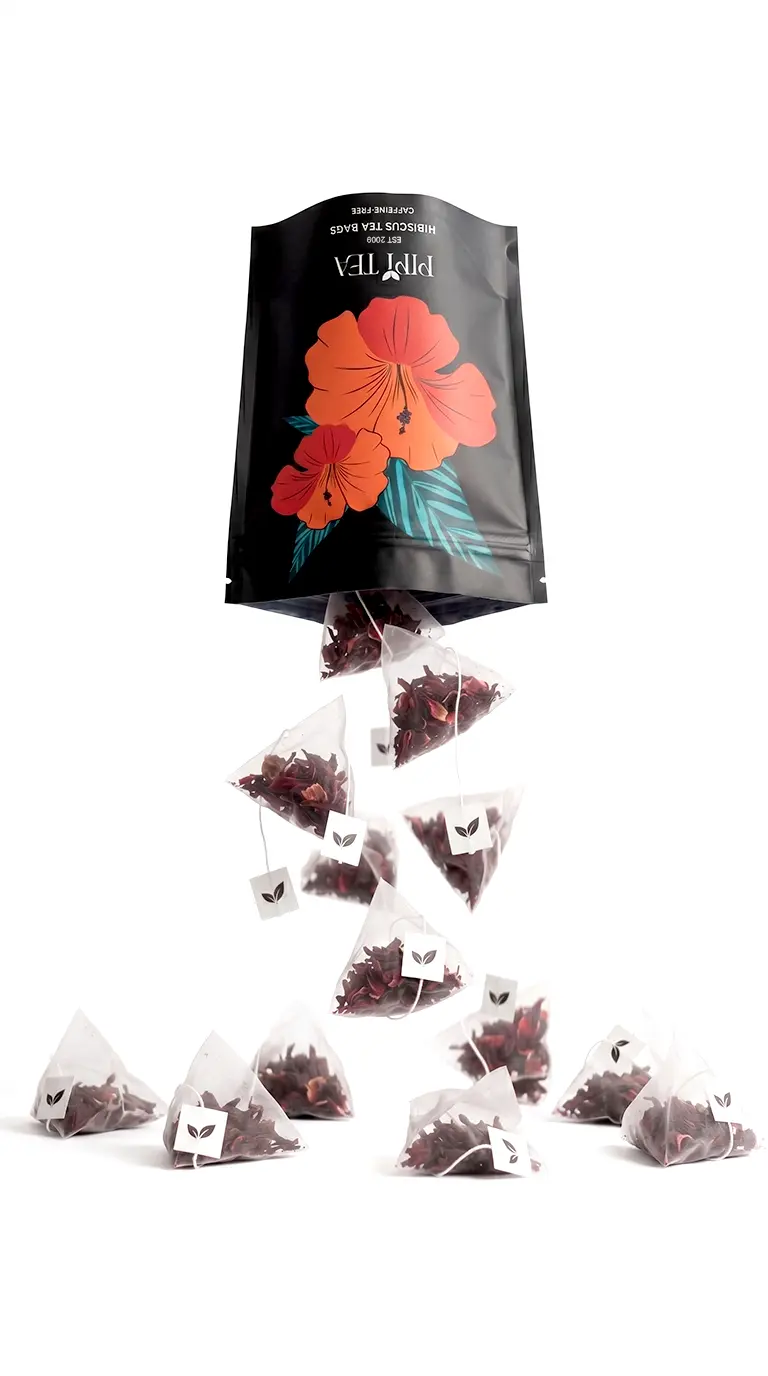
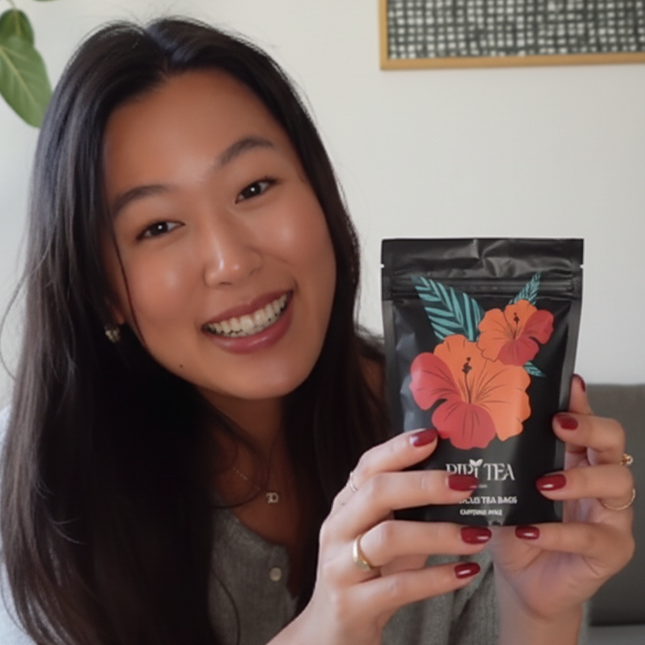
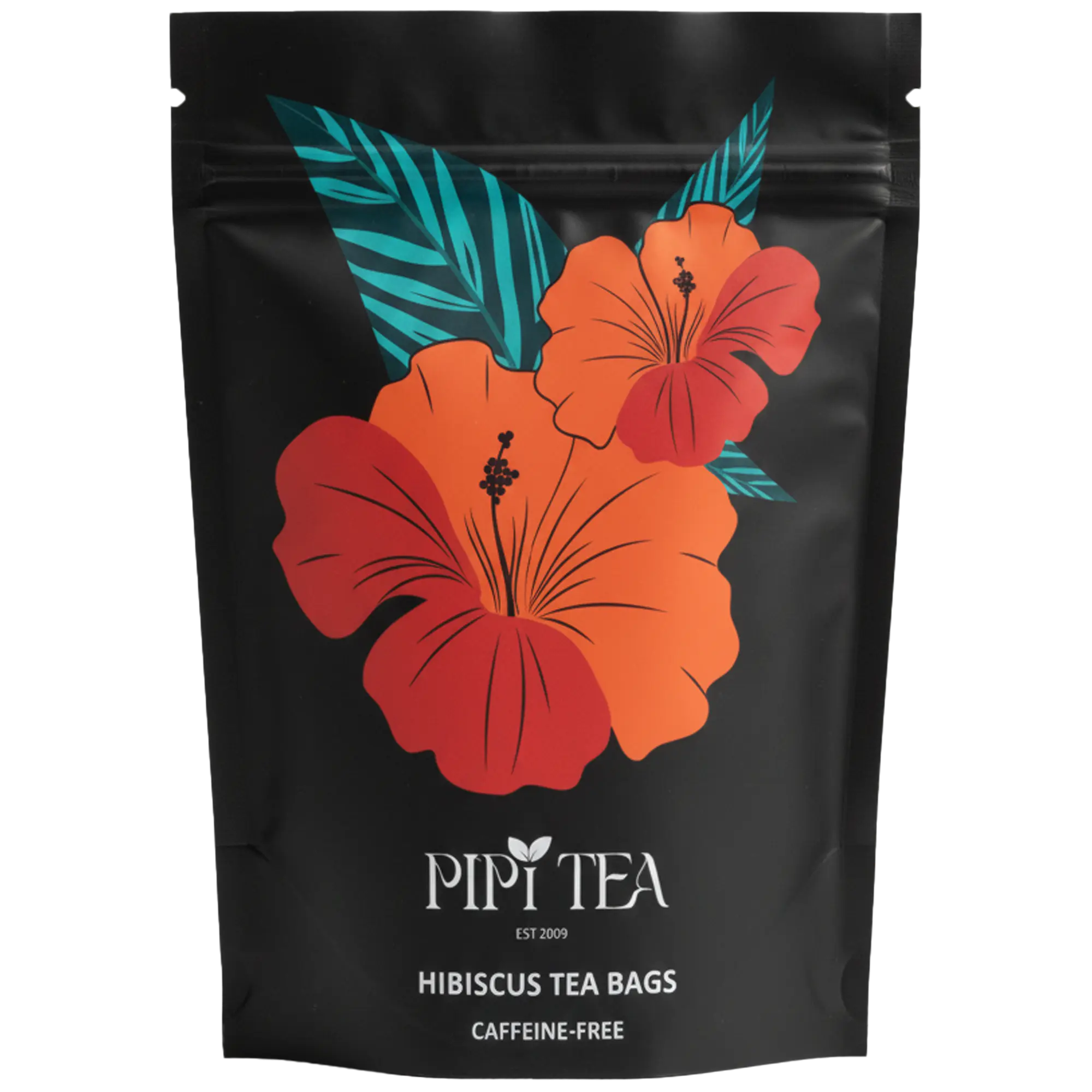
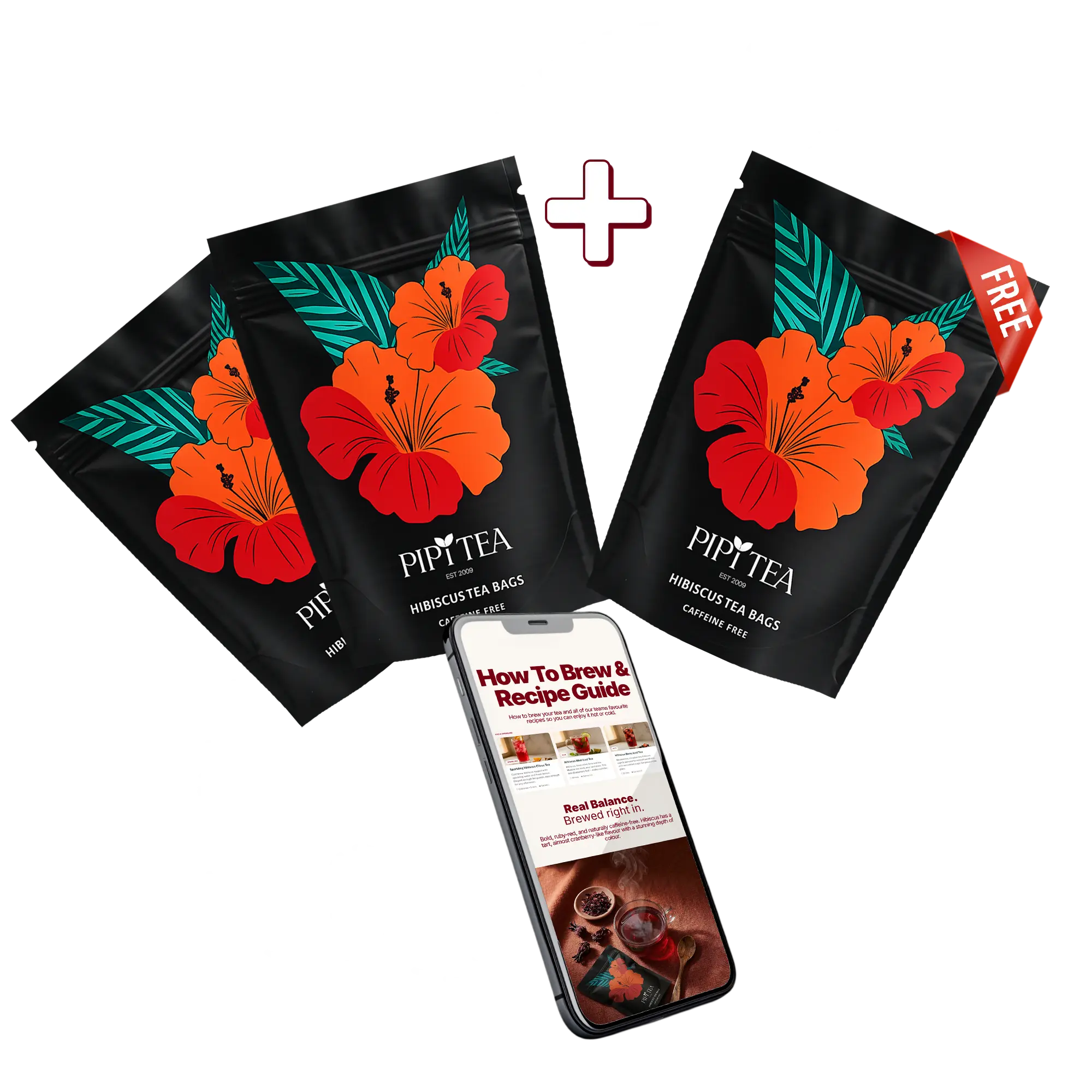
PiPi Tea Hibiscus delivers the highest concentration of anthocyanins and natural ACE-inhibiting compounds available — every cup, every batch, third-party verified.
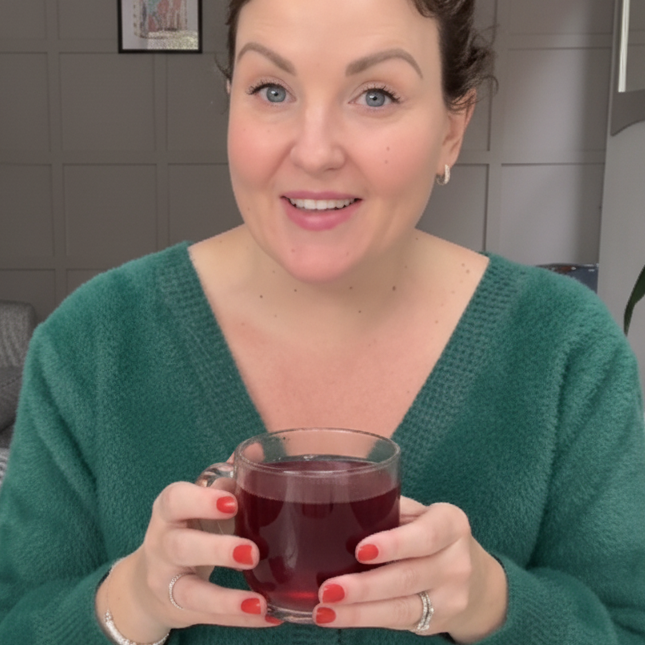
One cup. Every day. Hot in winter, iced in summer.
When your cardiovascular system gets what it needs, your body remembers how to regulate itself.
The blood pressure eases. The cravings settle. The mornings get easier.