If you've cut the bread, quit sugar, gone low-carb, walked after every meal, tried the cinnamon, tried the berberine — and your fasting number is still 130 in the morning — the problem isn't the food. It's your cells.
That 130 you see at 6am — you haven't eaten in eight hours. None of it came from dinner. All of it came from your liver, releasing glucose all night long because your cells never sent the signal to stop.
What controls whether your cells send that signal? Insulin sensitivity.
When your cells are insulin-sensitive, they respond normally. They take in sugar. They tell your liver: enough. Fasting numbers stay low. Energy holds steady. When insulin resistance sets in, your cells go deaf. Sugar backs up. Your liver never gets the stop signal — so it keeps pouring glucose overnight. Fasting numbers climb. Belly fat won't budge. And no amount of cutting carbs touches what your liver does while you sleep, because your liver isn't responding to what you ate — it's responding to a signal your cells can't send.
To reverse insulin resistance, your cells need specific polyphenols:
![]()
EGCG (187mg per cup) — the most studied polyphenol for restoring insulin sensitivity and metabolic health
![]()
Epicatechin — acts directly on the insulin receptor, the part of your cell that recognizes the signal before sugar can move
![]()
Theaflavins — a distinct compound class formed during oolong's partial oxidation, studied for post-meal glucose response and inflammatory balance
![]()
Plus the remaining 340mg of polyphenols in the cup — catechins, tannins, and flavonoids supporting fat oxidation, gut barrier function, and daily detoxification
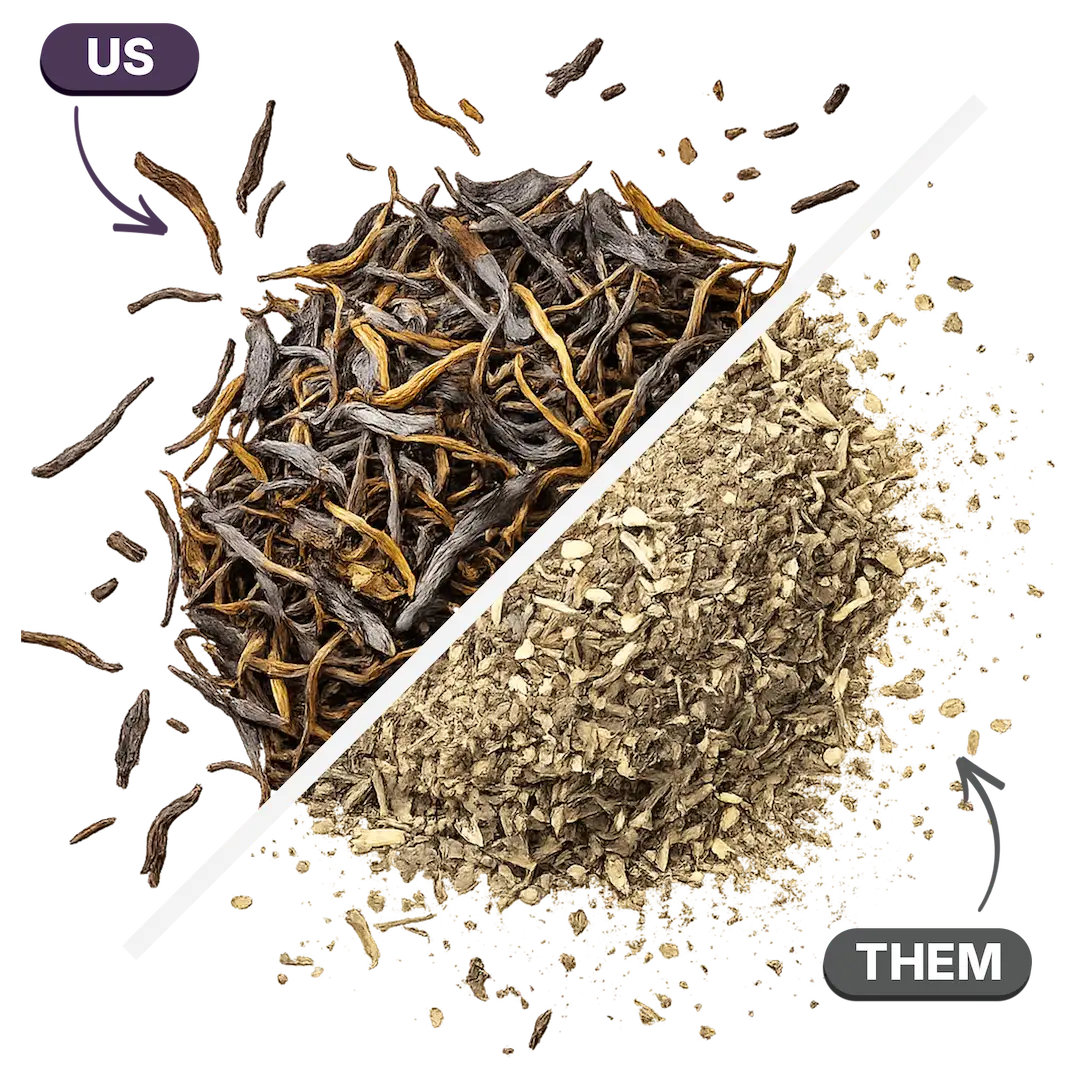
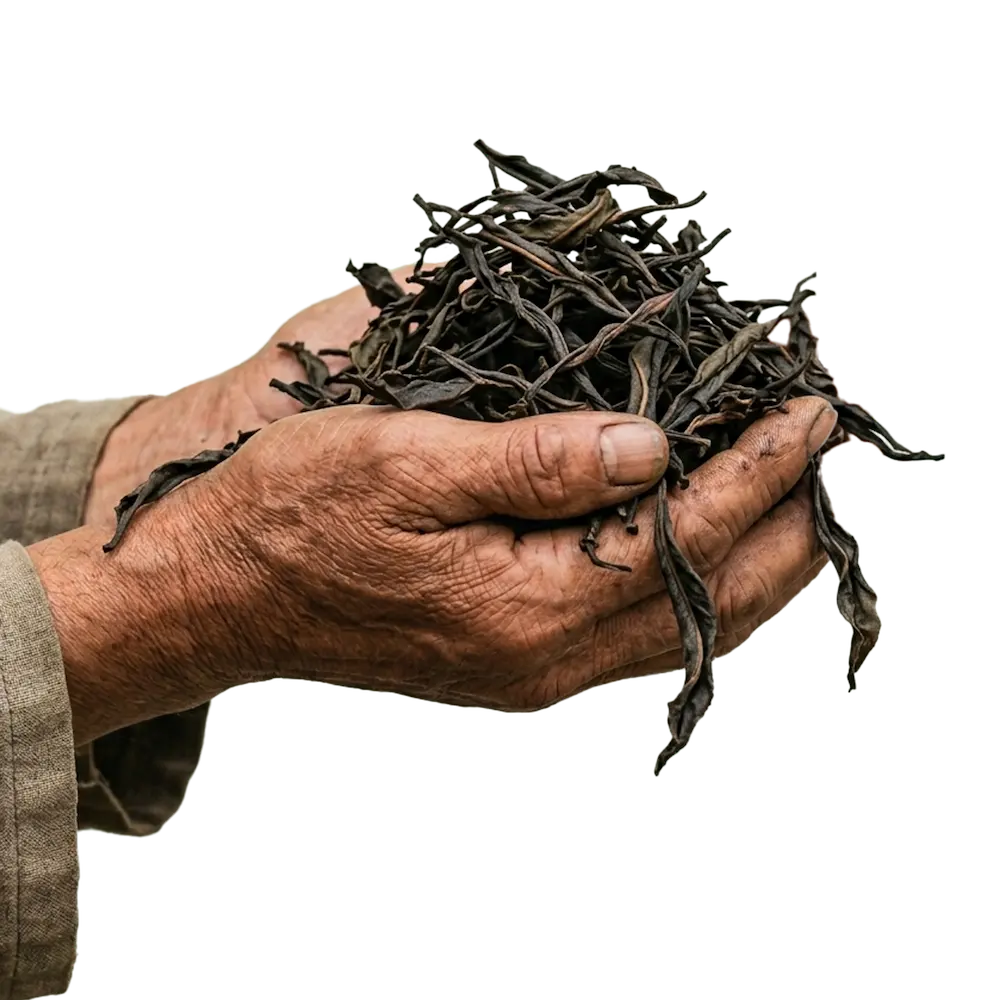
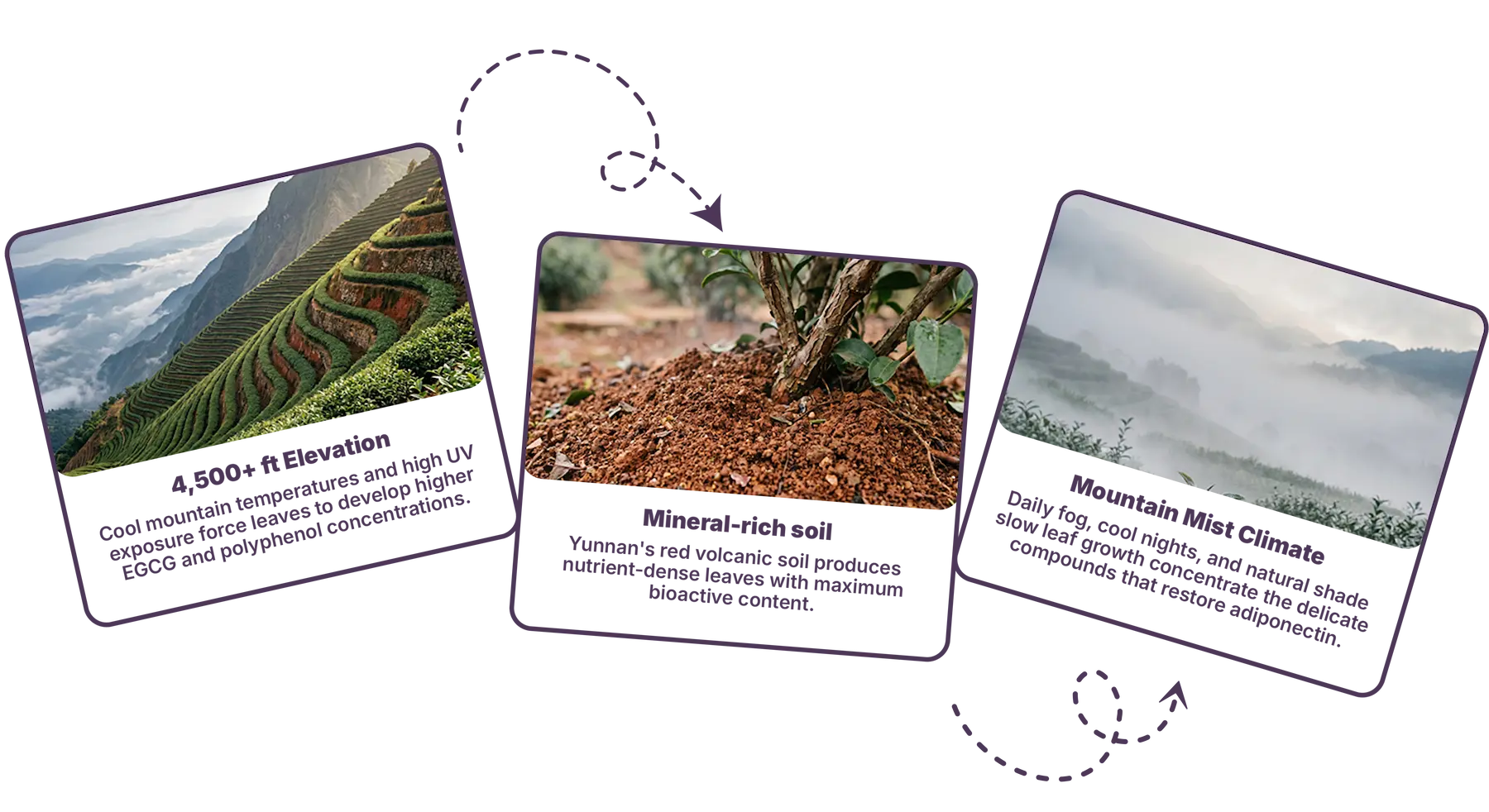
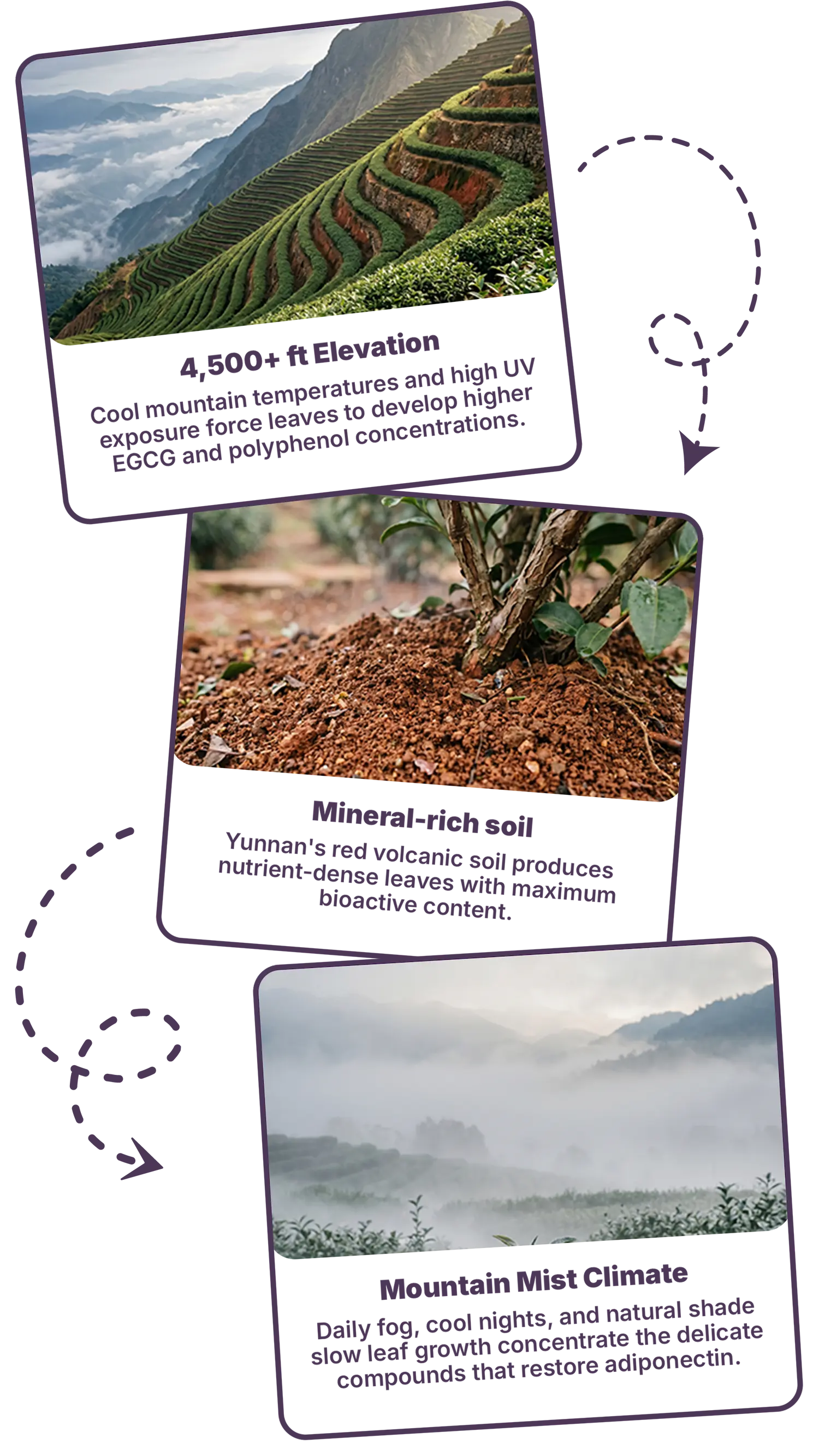
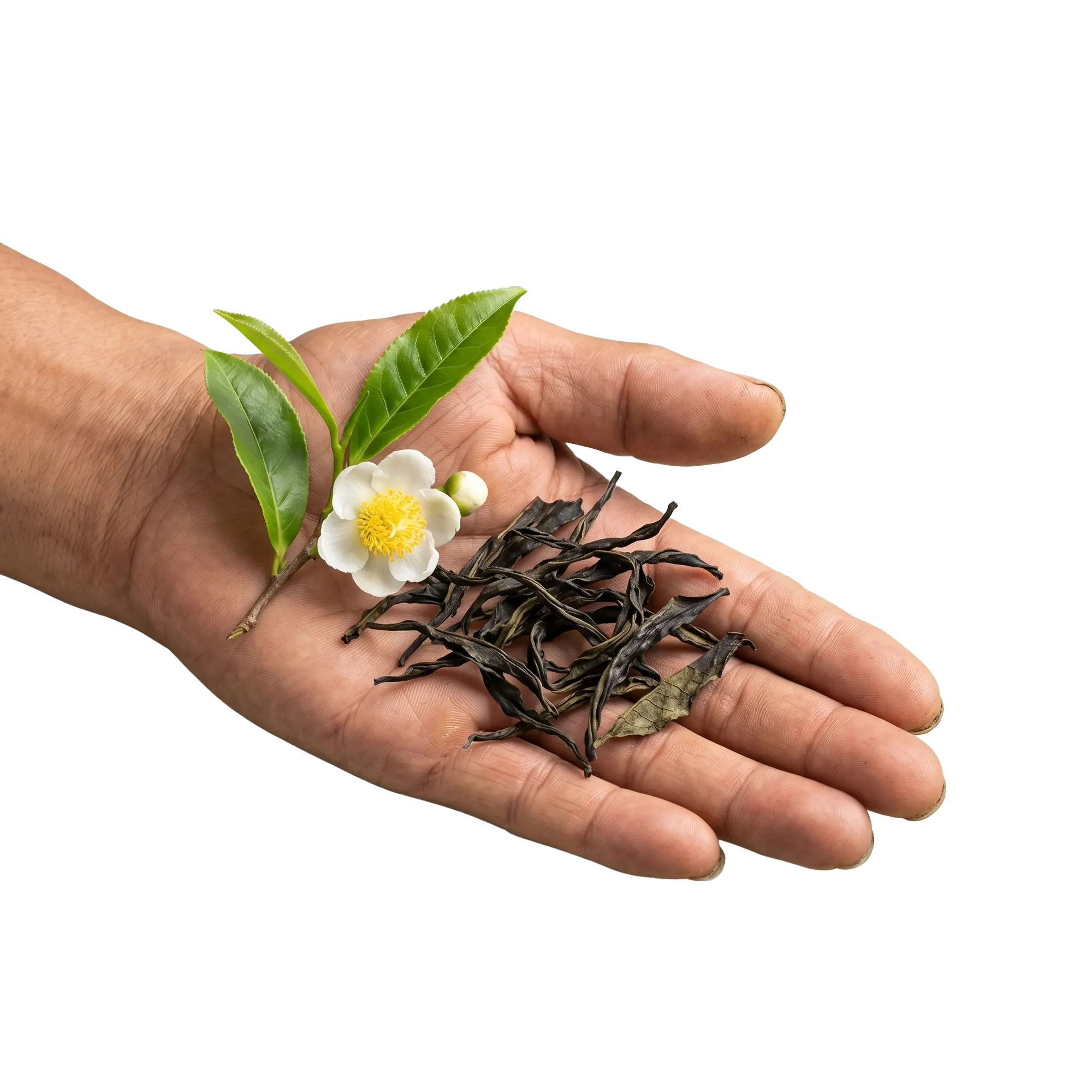
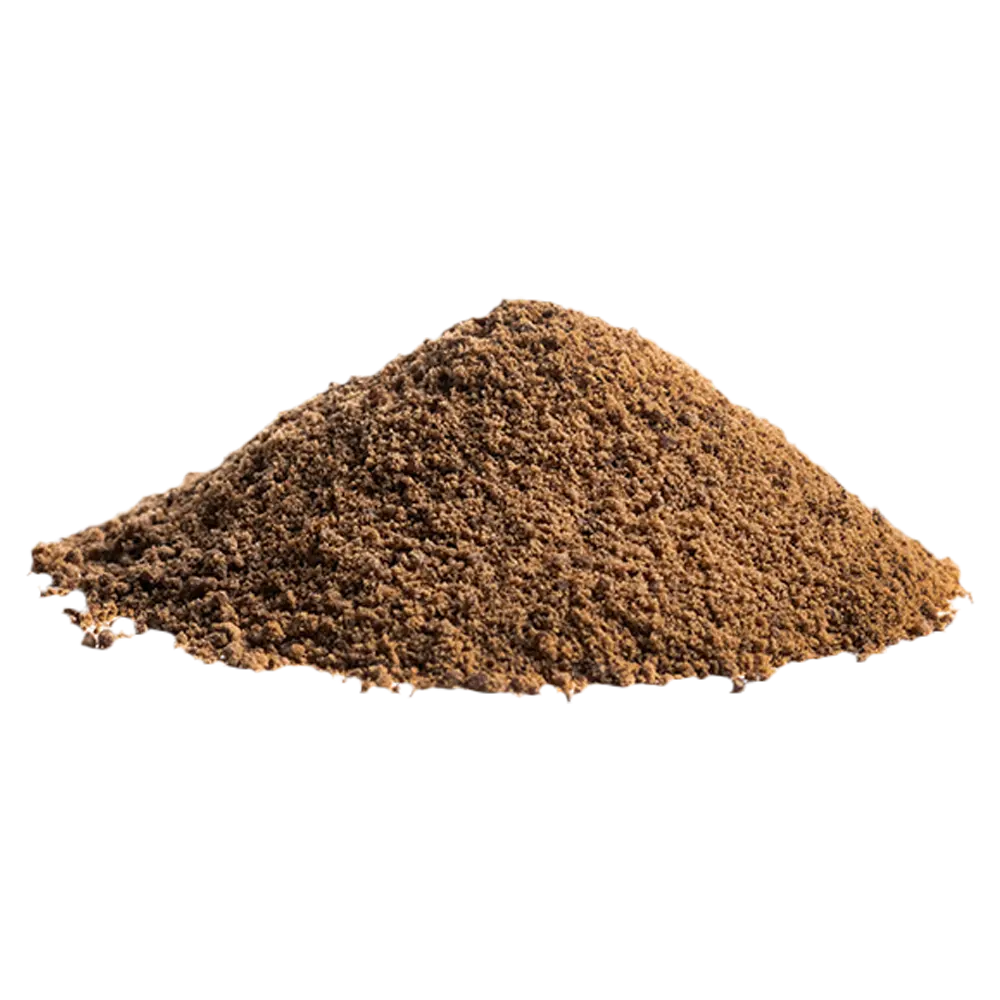
These compounds are concentrated in oolong tea — but only when the tea is whole-leaf, high-altitude grown, and minimally processed. Most commercial oolong is tea dust delivering less than 8% of the EGCG threshold cited in the research. That's why so much "blood sugar support" tea doesn't move the numbers.
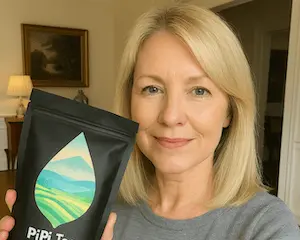
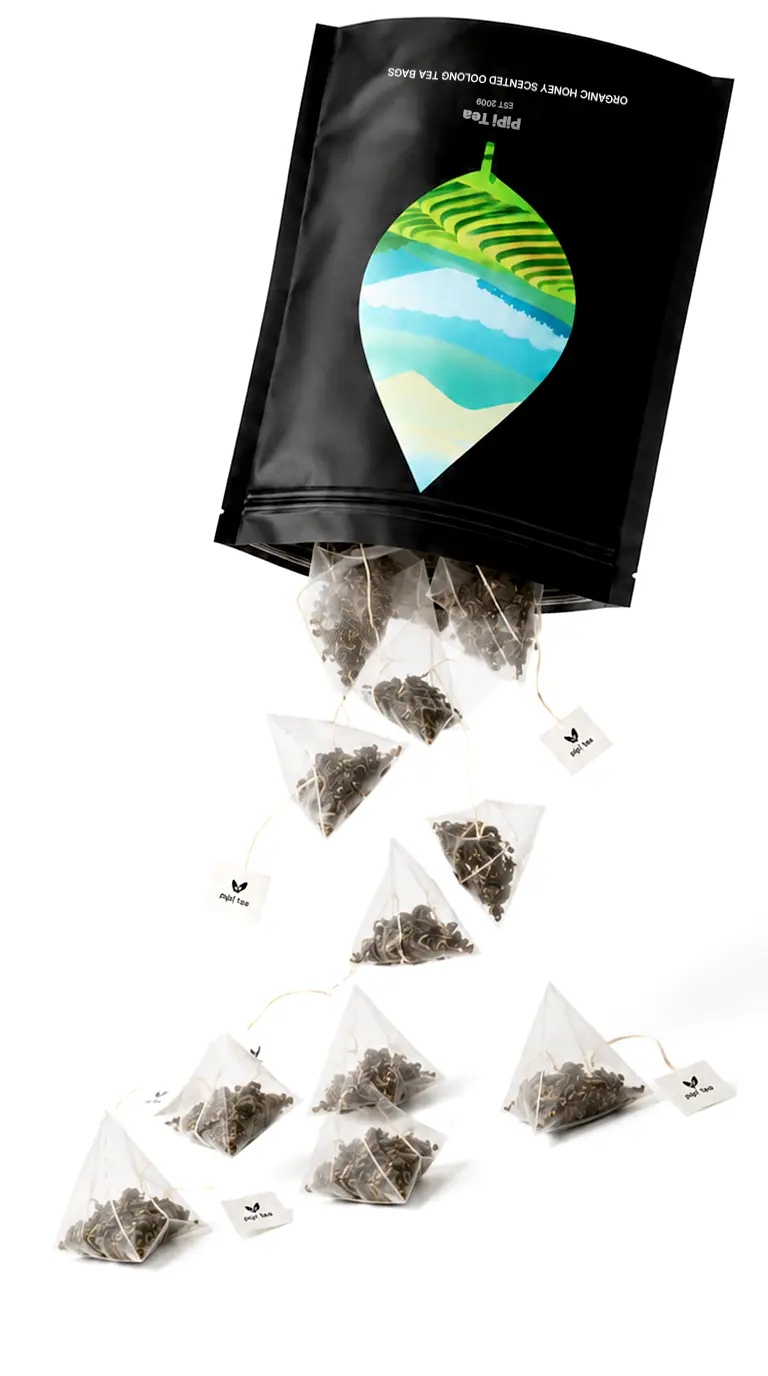
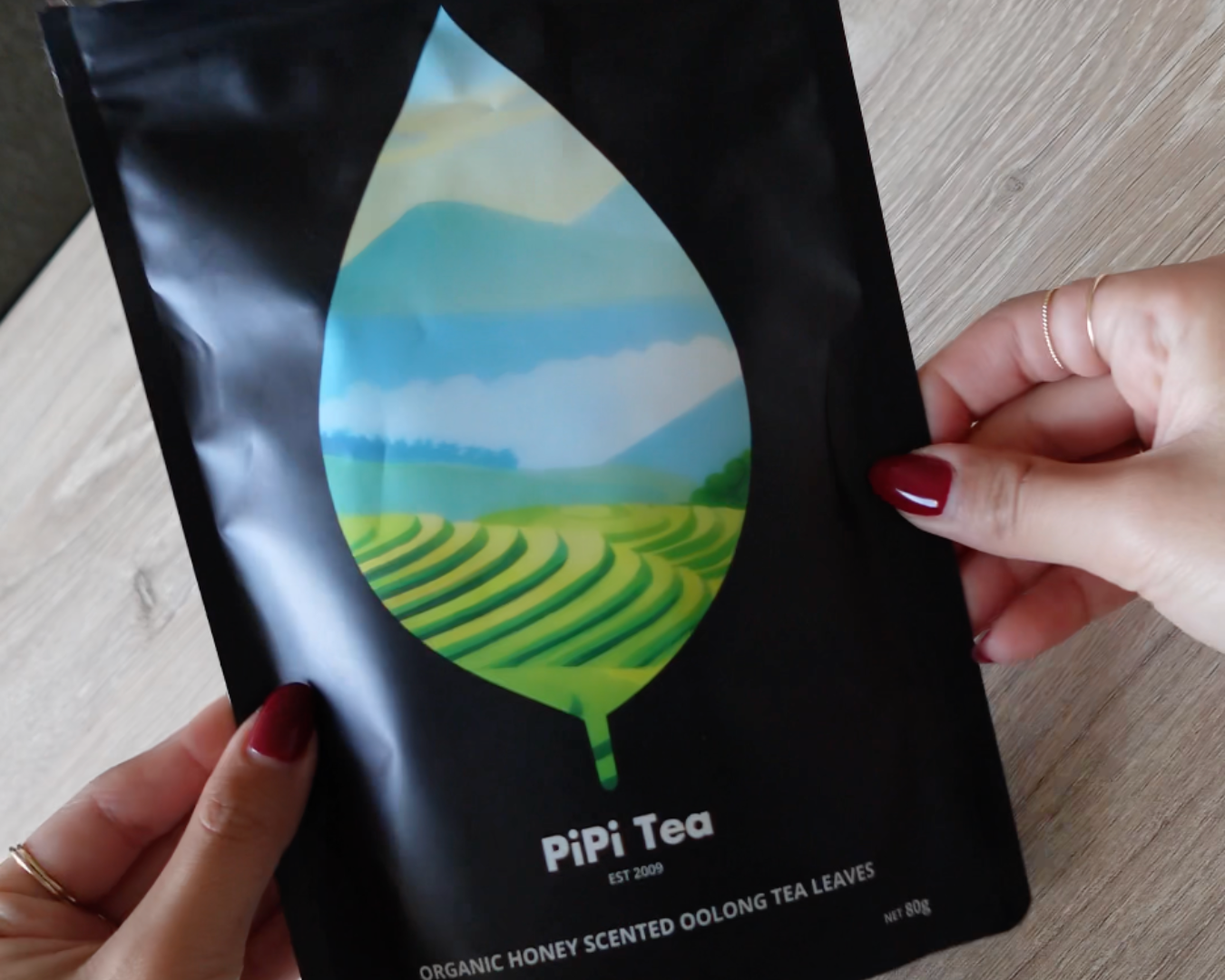
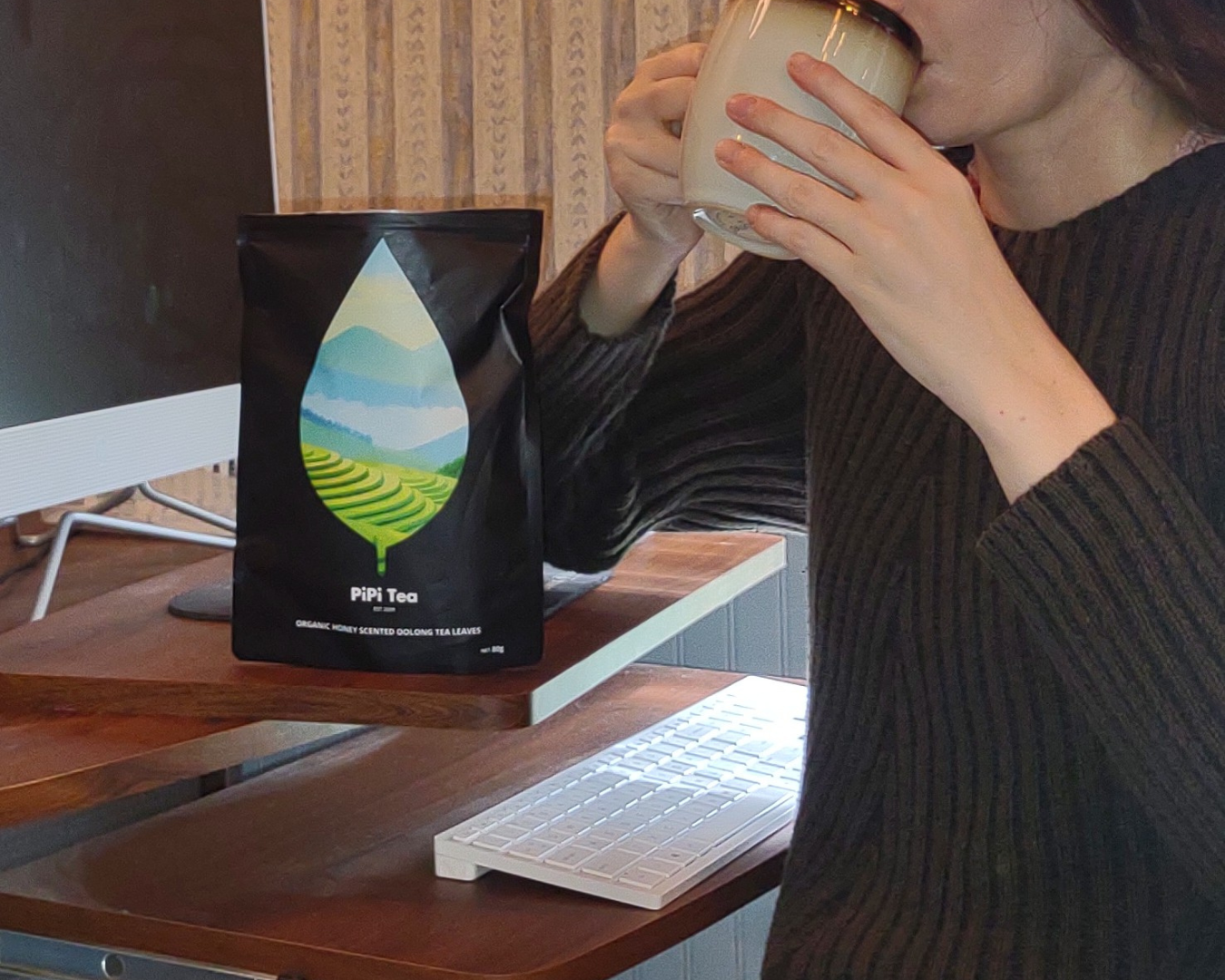
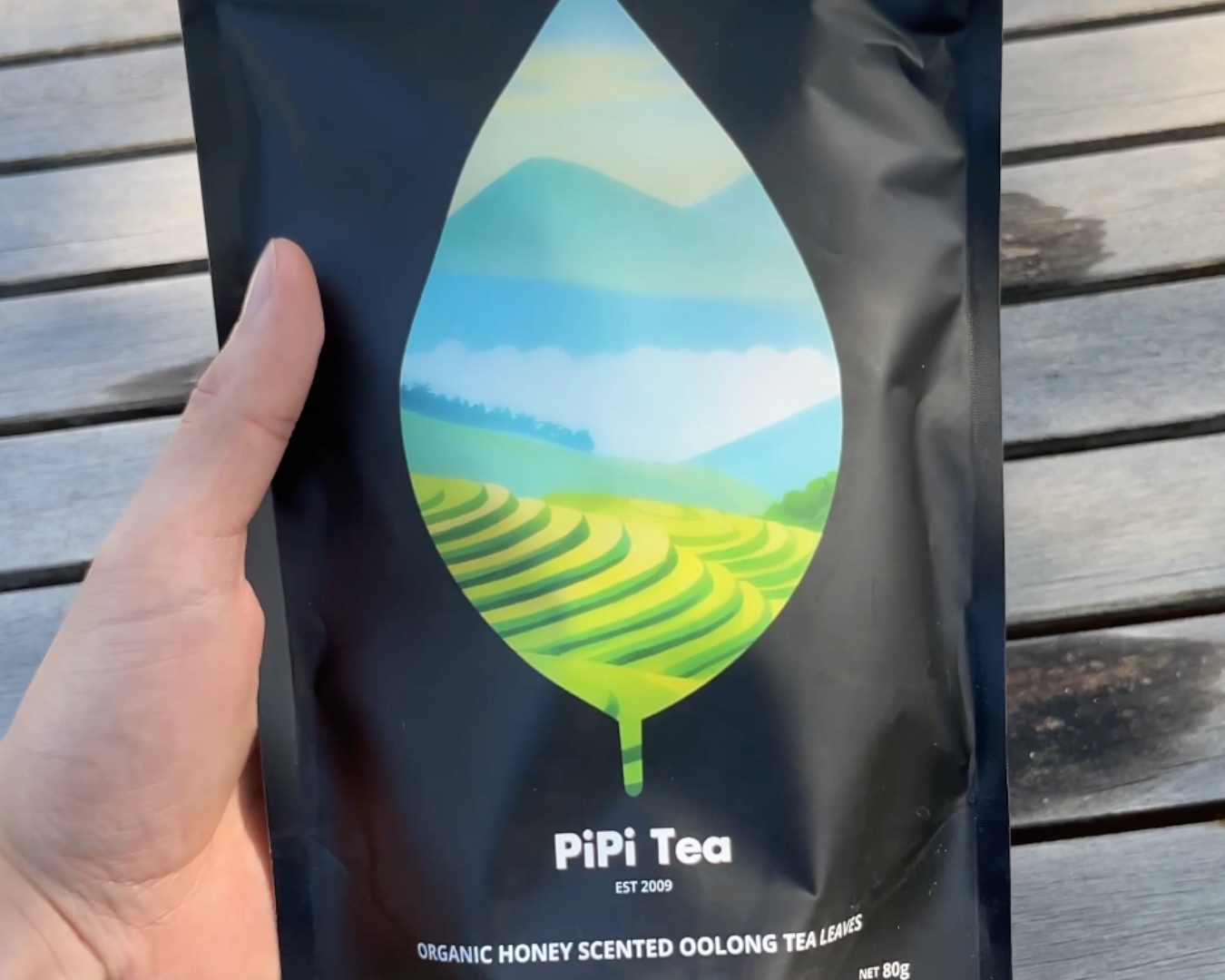
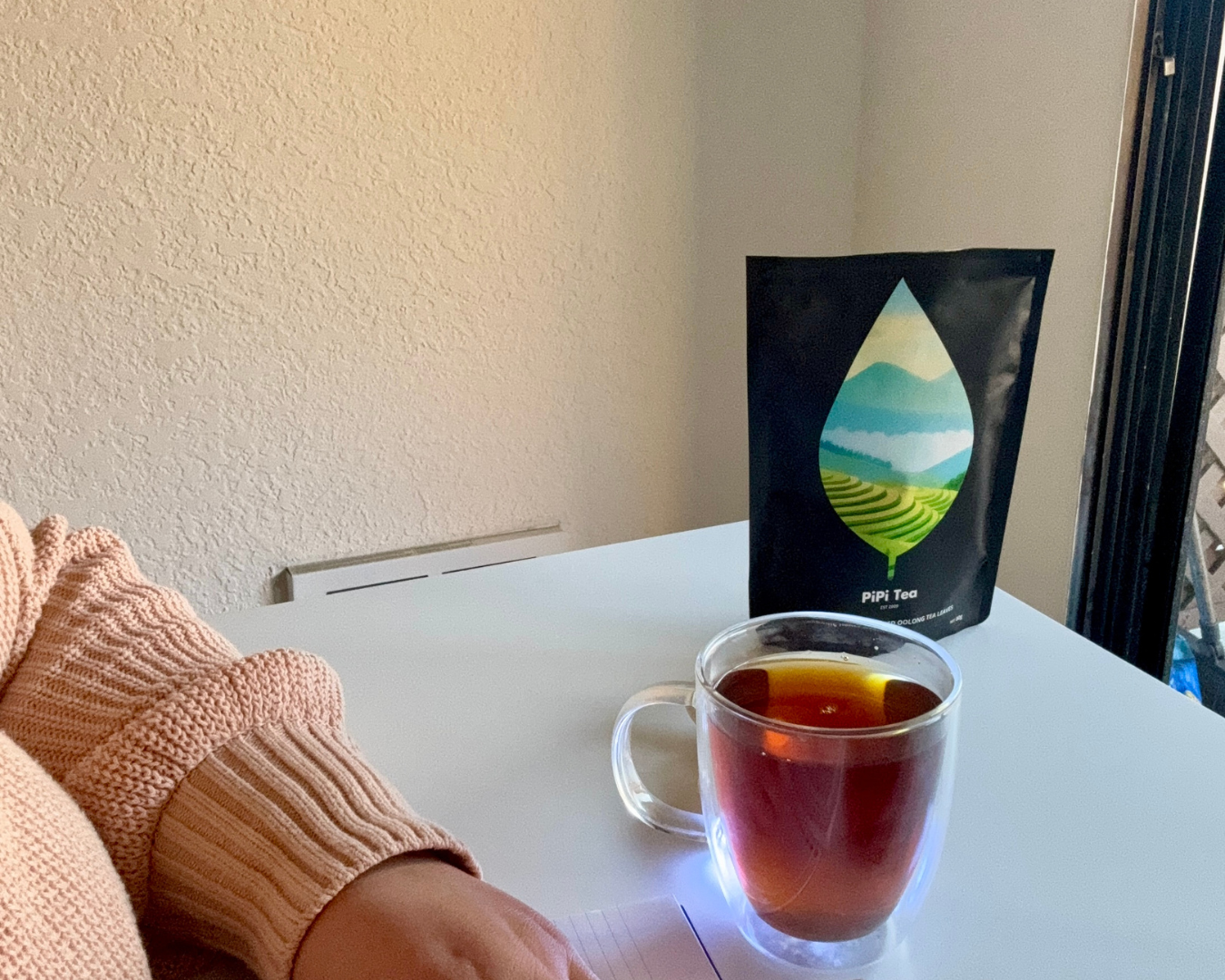
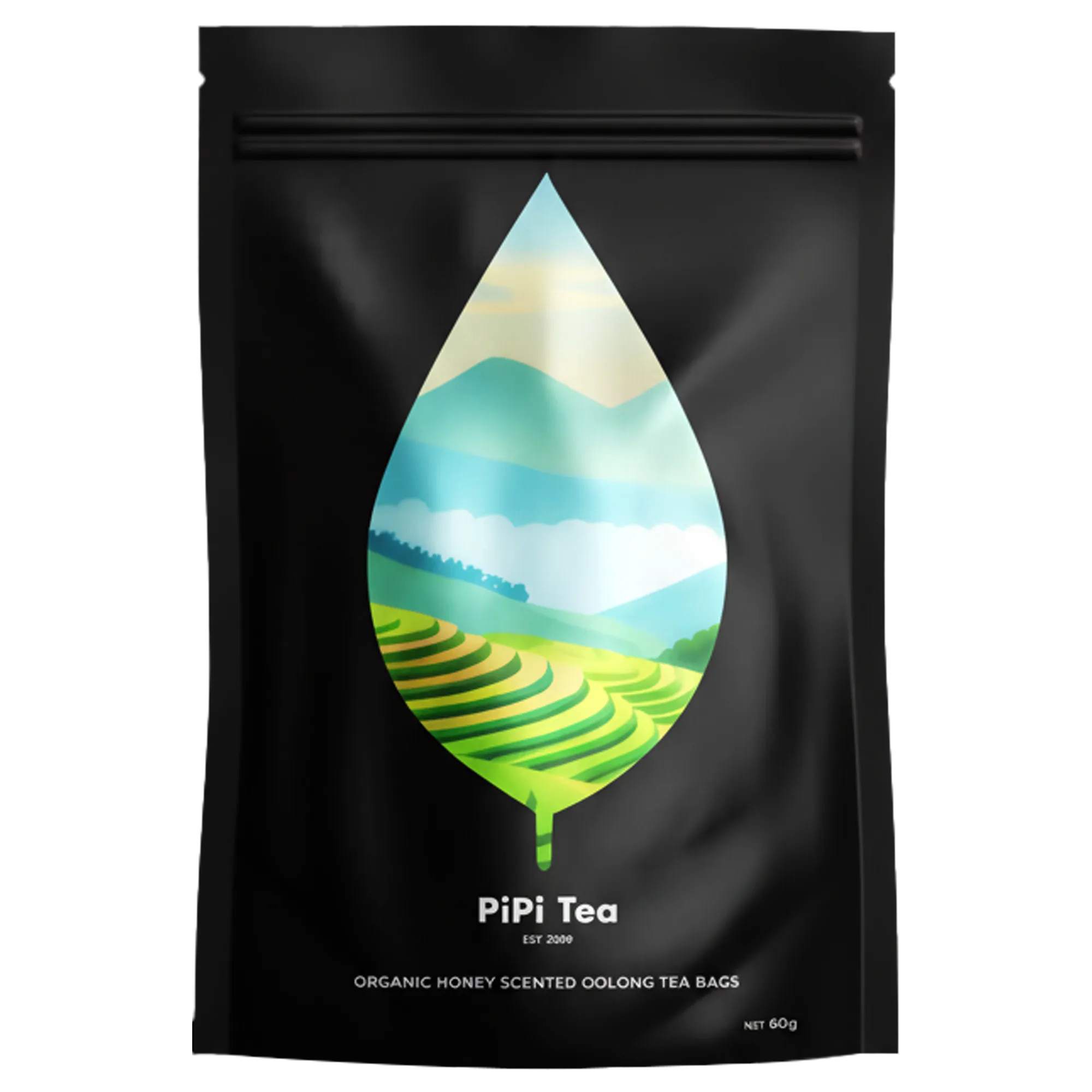
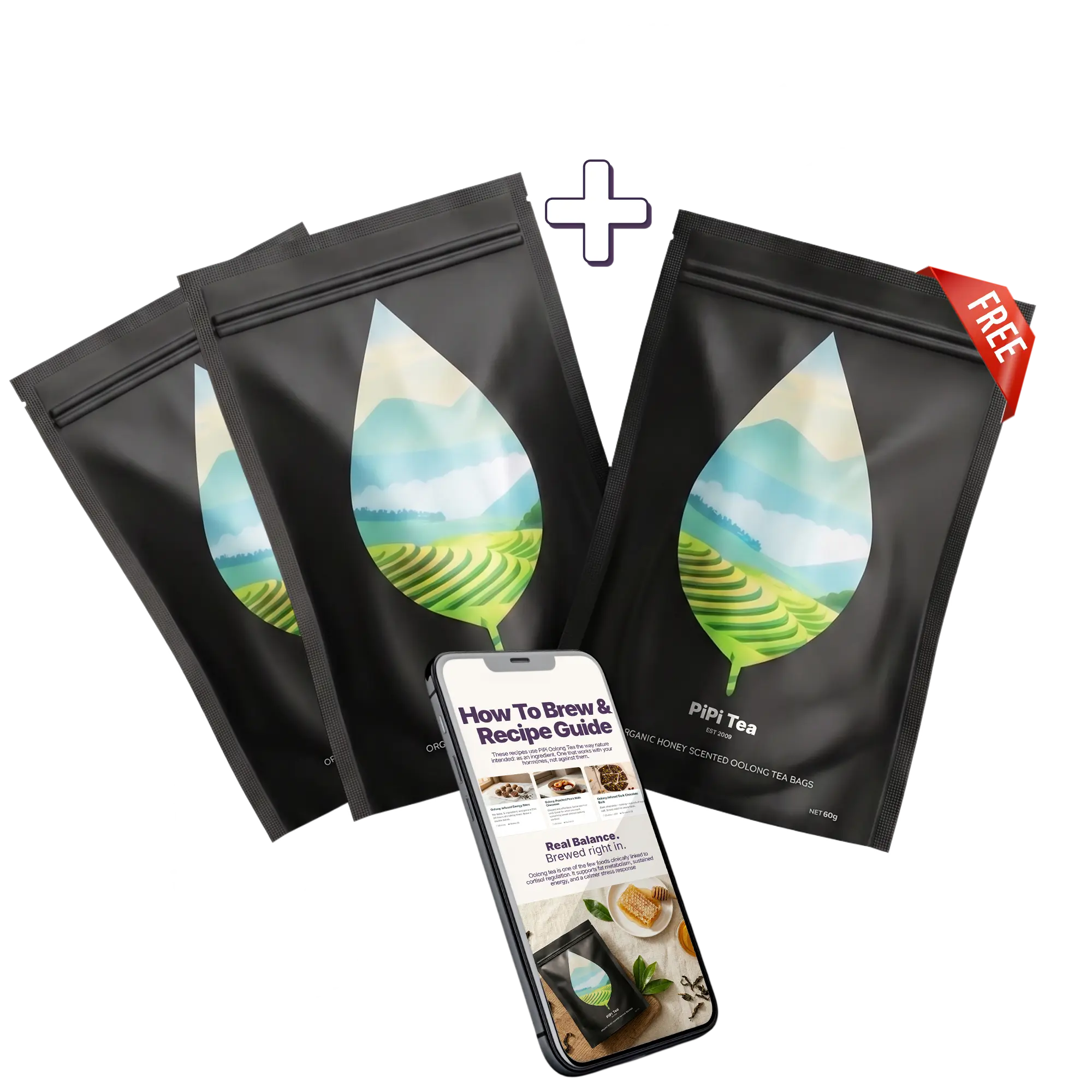
PiPi Tea is independently tested at 187mg of EGCG and 340mg total polyphenols per cup — well into the therapeutic range cited in clinical research.
One cup. Every morning.
When insulin resistance reverses, your cells start listening to insulin again — and your liver finally gets the signal to stop.
You eat the bread again.