If you've cut out eggs, eaten oatmeal until you couldn't stand it, switched to olive oil, walked your three miles a day — and your cholesterol still won't move — the problem isn't the food. It's your liver.
Your liver produces 80–85% of the cholesterol in your bloodstream. The food you eat — eggs, red meat, butter — accounts for only 15–20%.
So no amount of dietary perfection fixes the bigger 80%.
What controls the 80%? A metabolic hormone called adiponectin.
When adiponectin levels are healthy, your liver regulates cholesterol on its own — clearing what your body doesn't need, balancing the rest. When adiponectin is low, your liver stays locked in overproduction mode. LDL climbs. Belly fat won't budge. Diet changes barely move the needle.
To restore adiponectin production, your liver needs specific antioxidants:
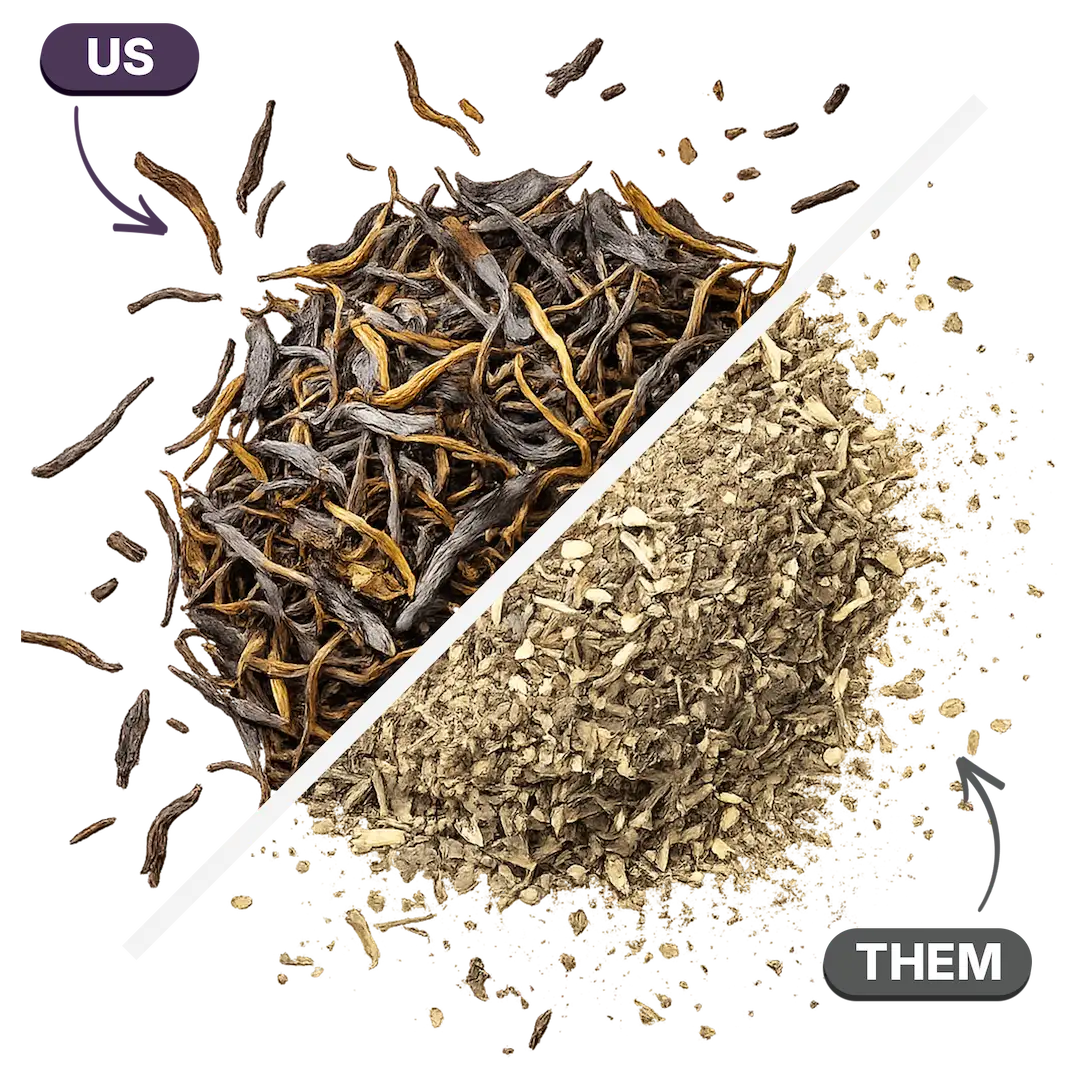
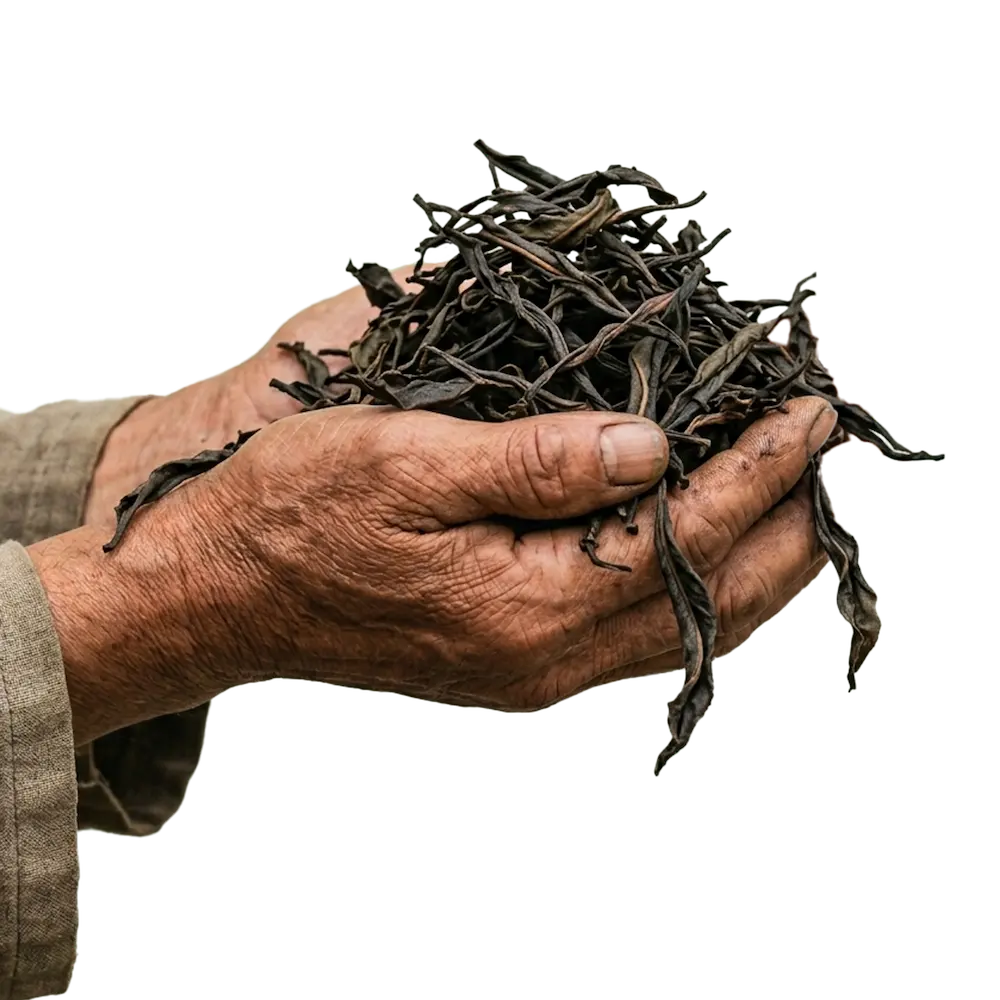
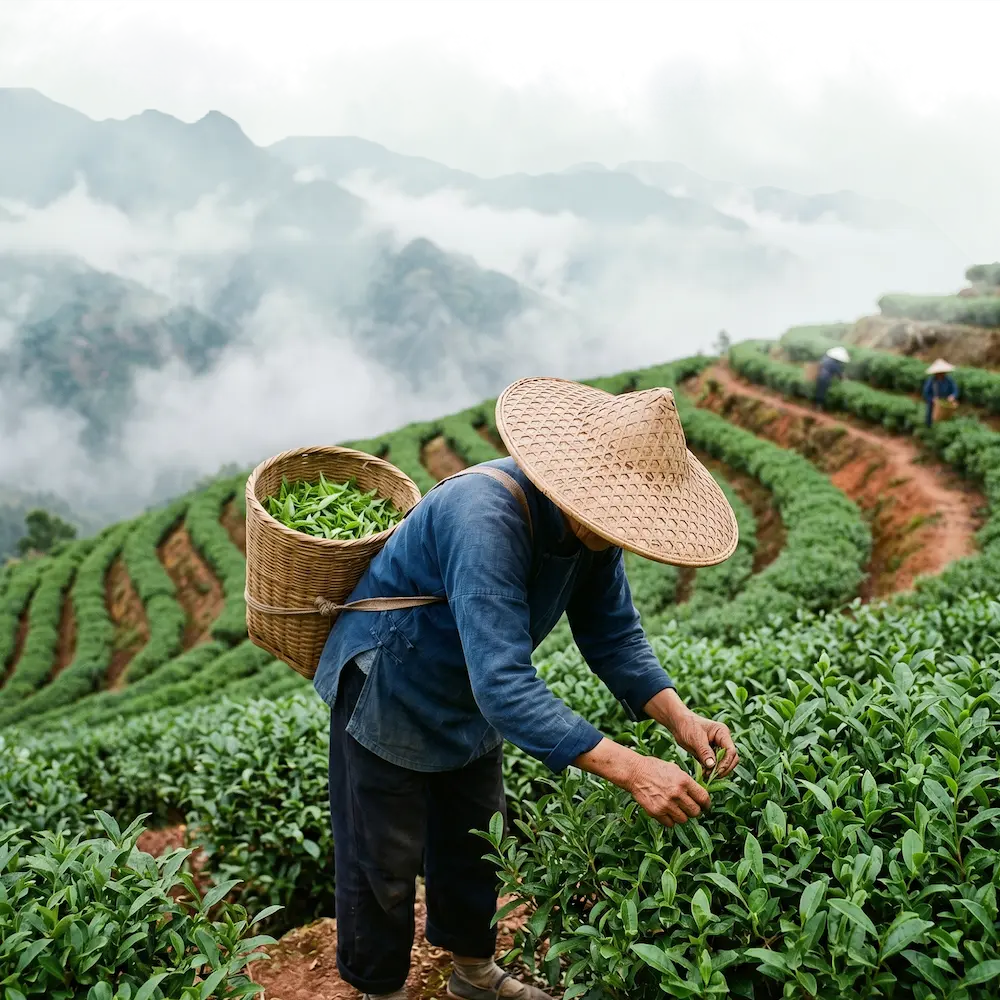
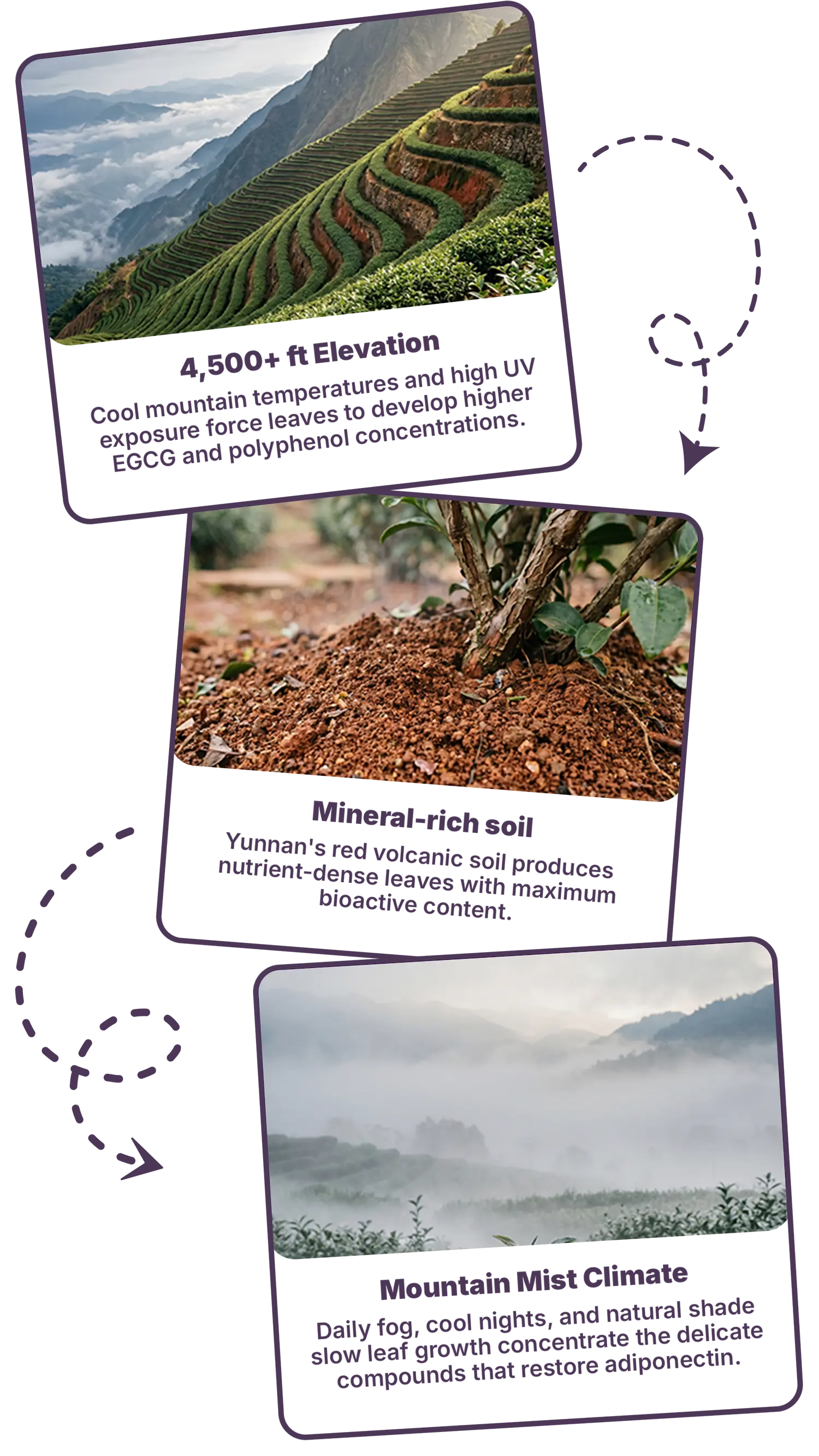
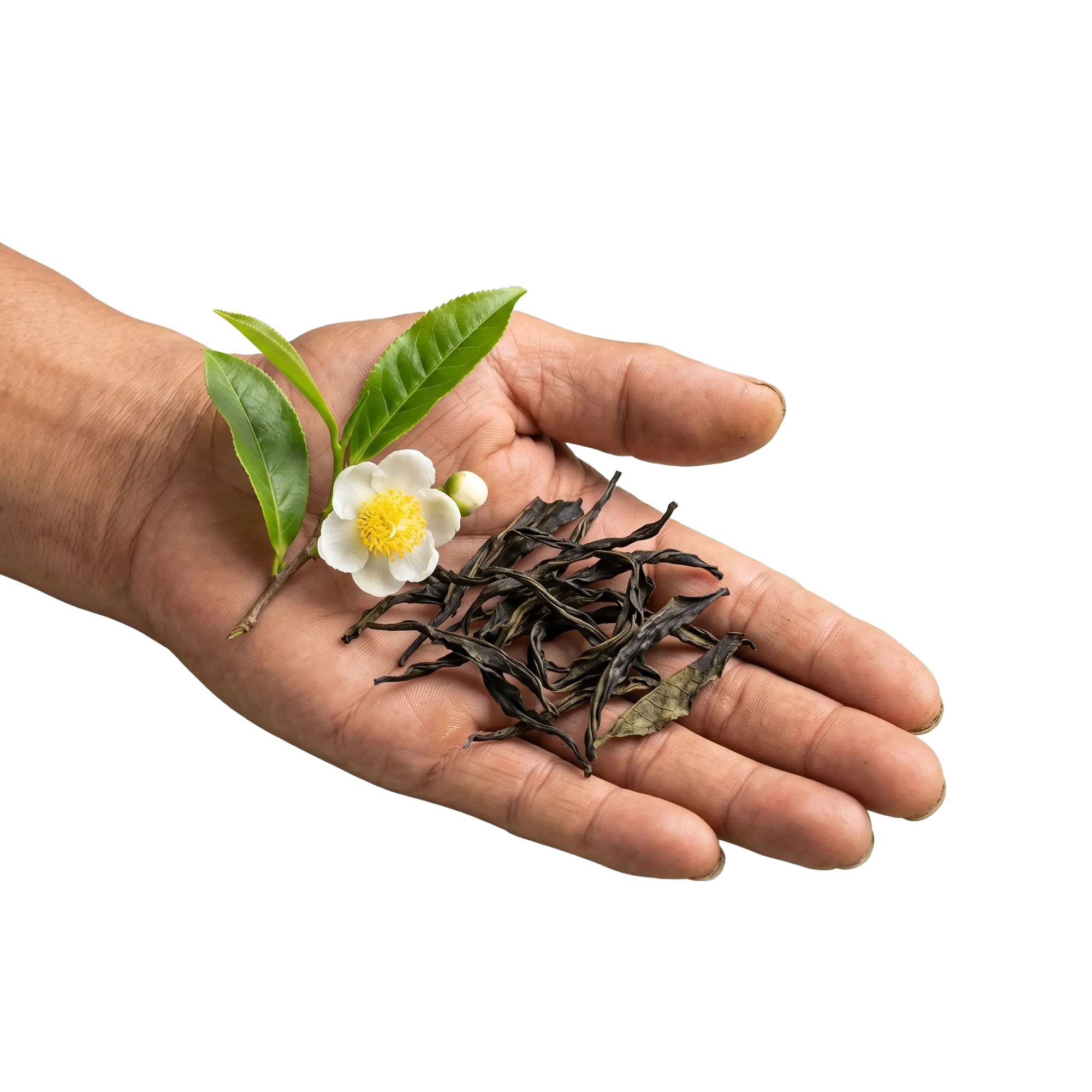
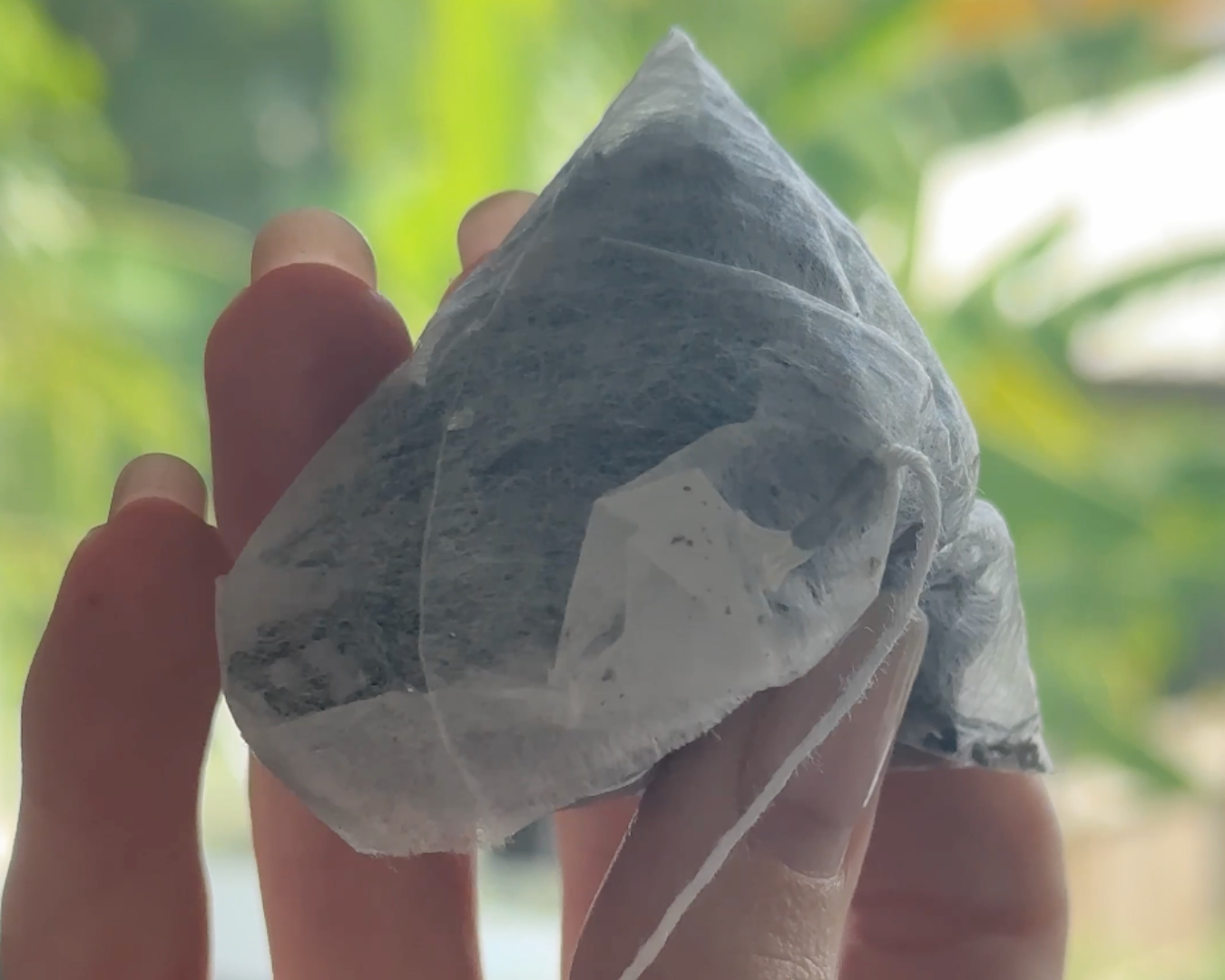
These compounds are concentrated in oolong tea — but only when the tea is whole-leaf, high-altitude grown, and minimally processed. Most commercial oolong is tea dust delivering less than 8% of the EGCG threshold cited in the research. That's why so much "cholesterol support" tea doesn't move the numbers.
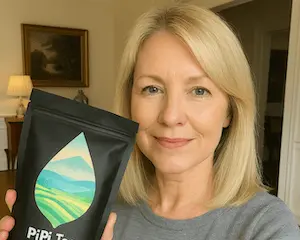
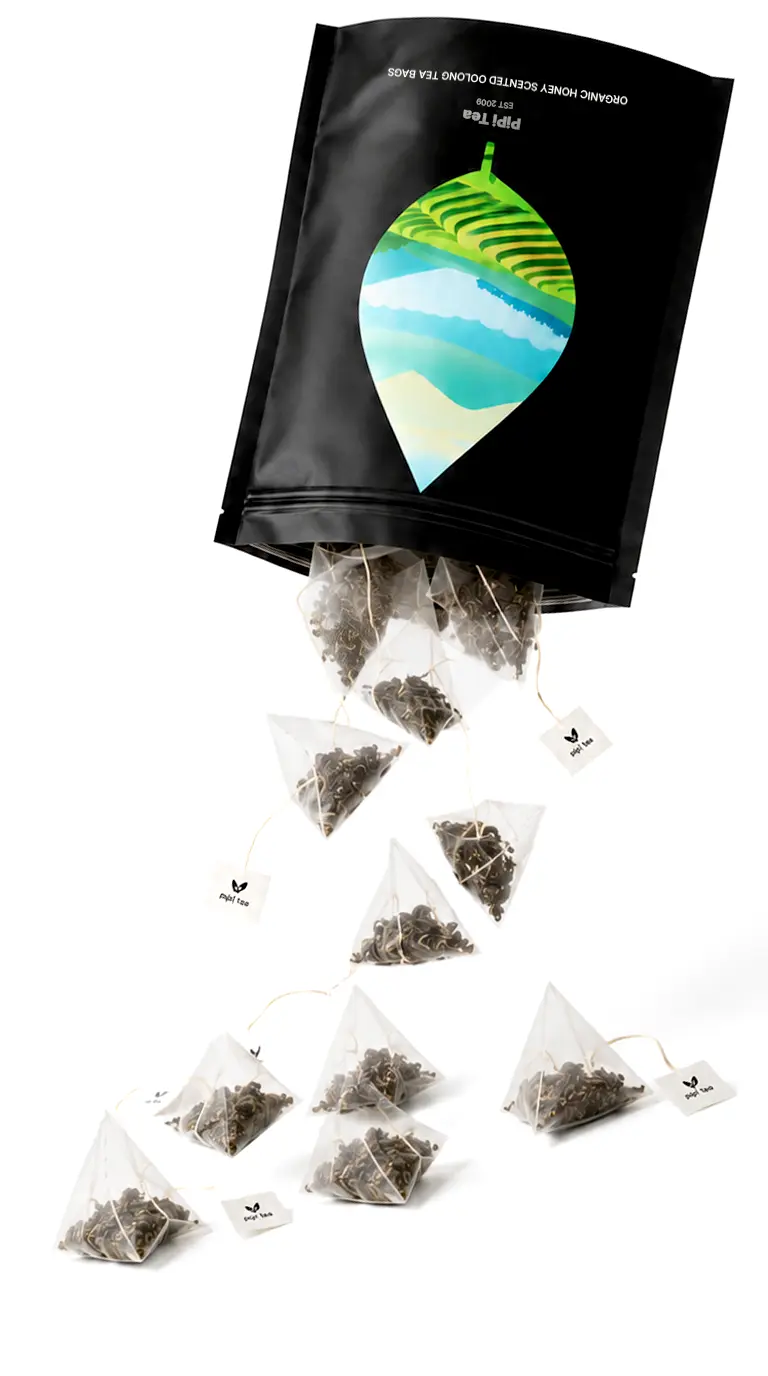
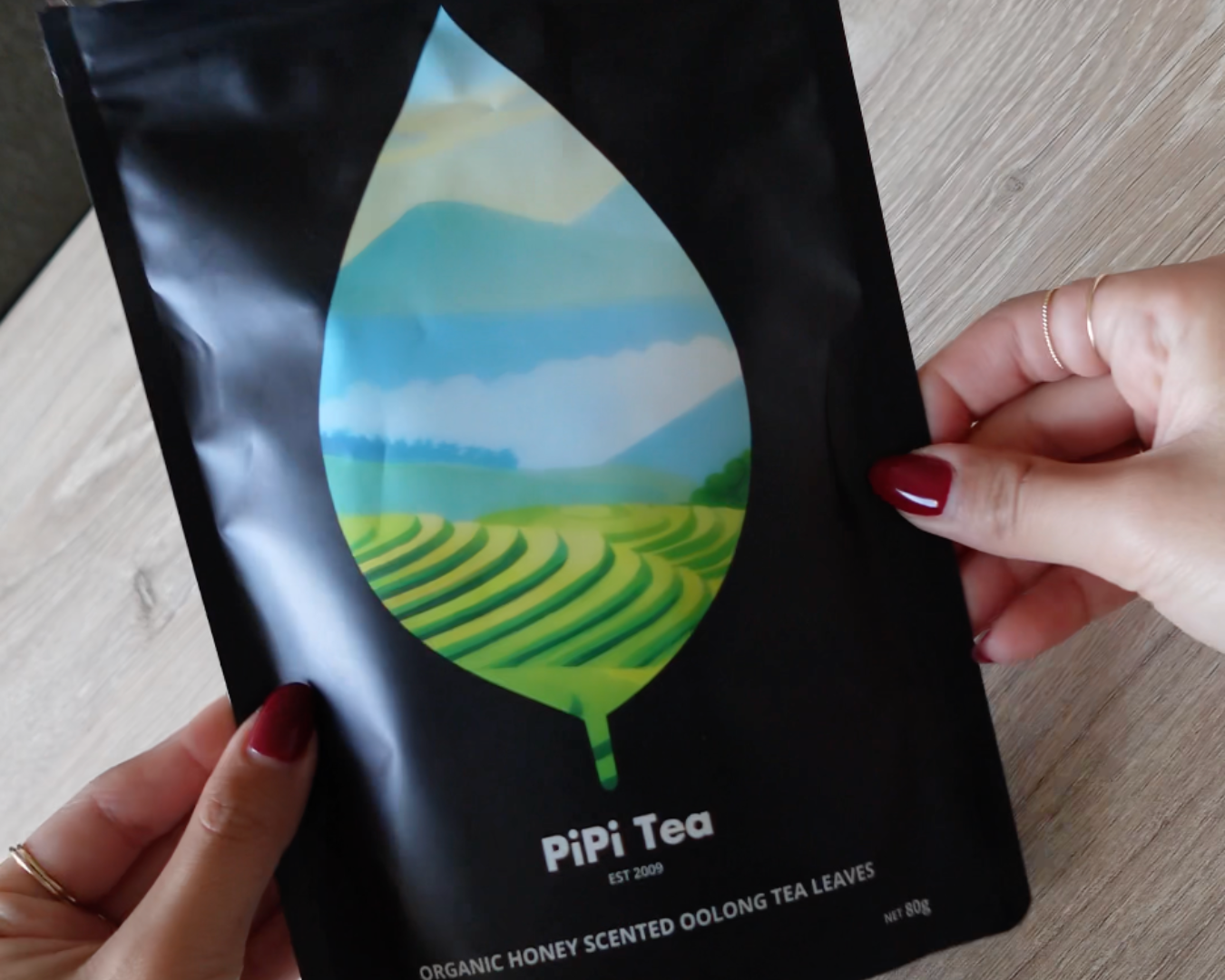
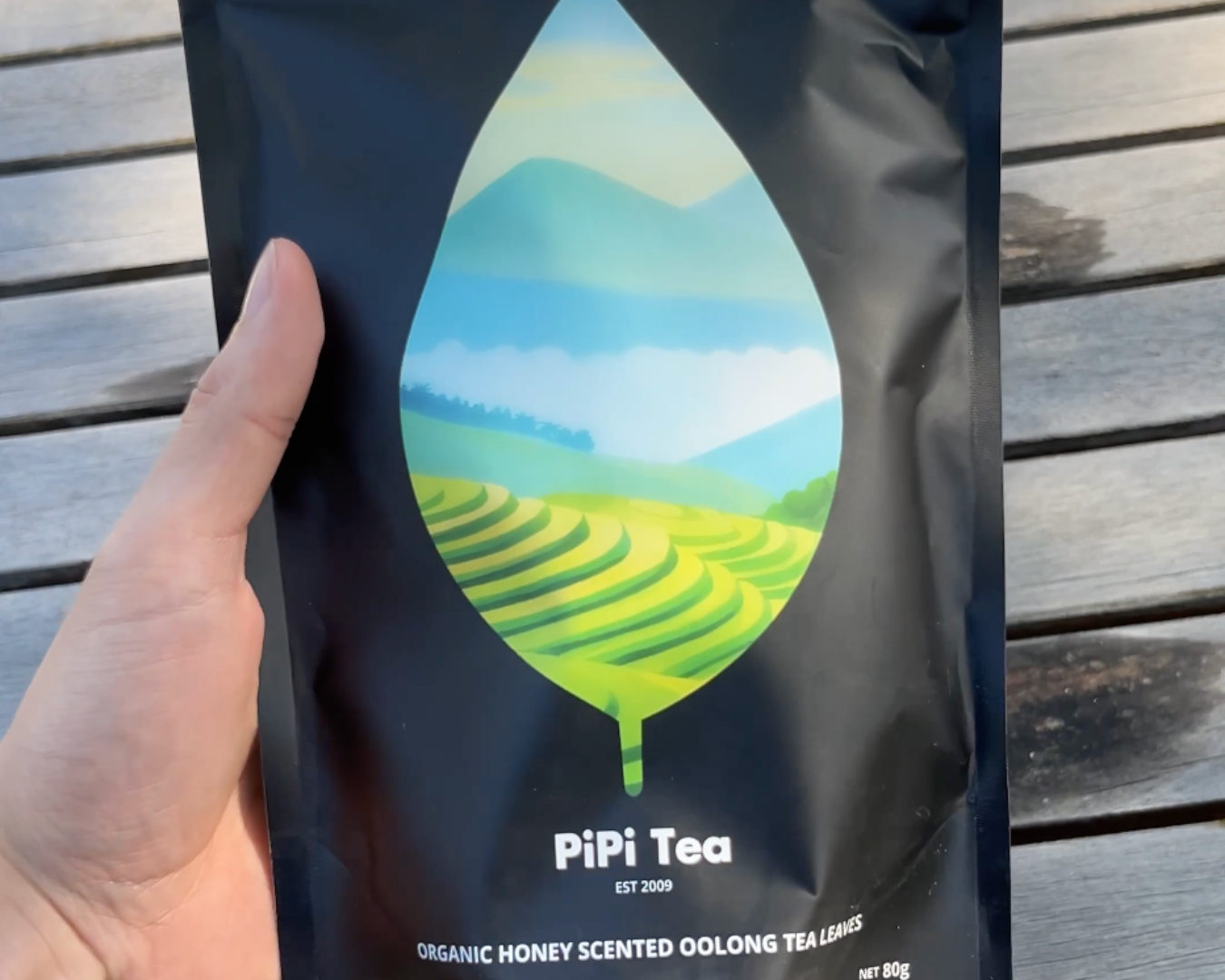
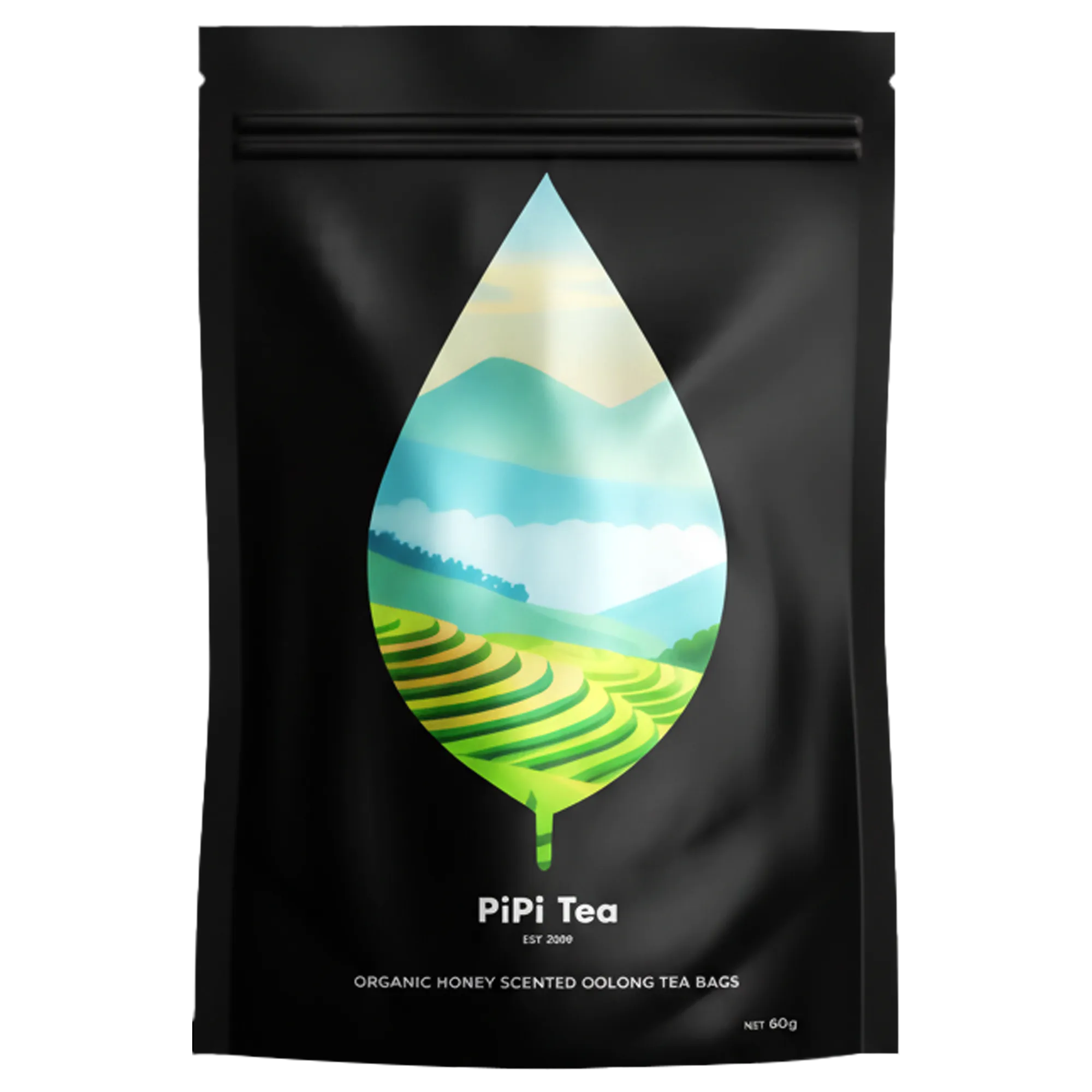
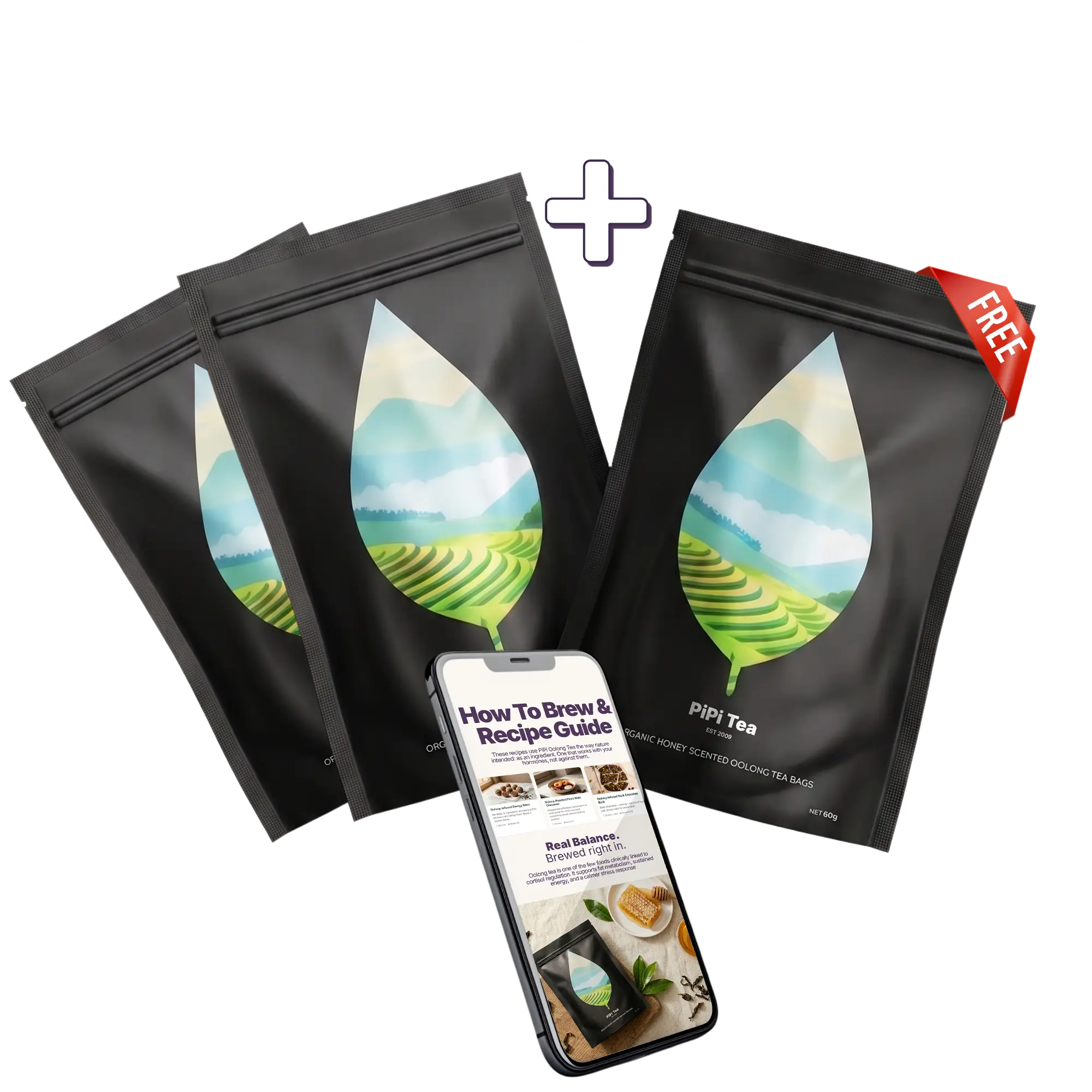
PiPi Tea is independently tested at 187mg of EGCG and 340mg total polyphenols per cup — well into the therapeutic range cited in clinical research.
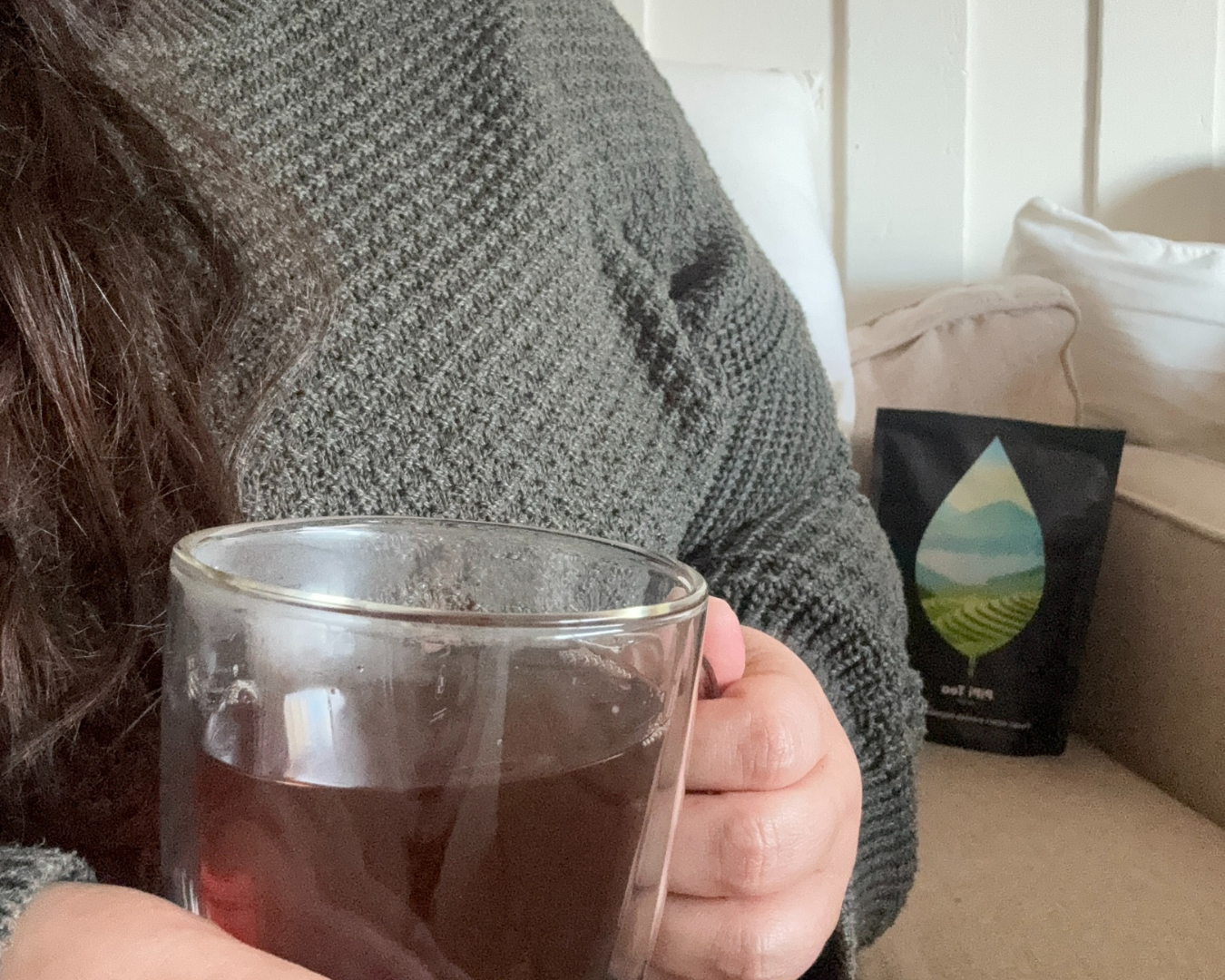
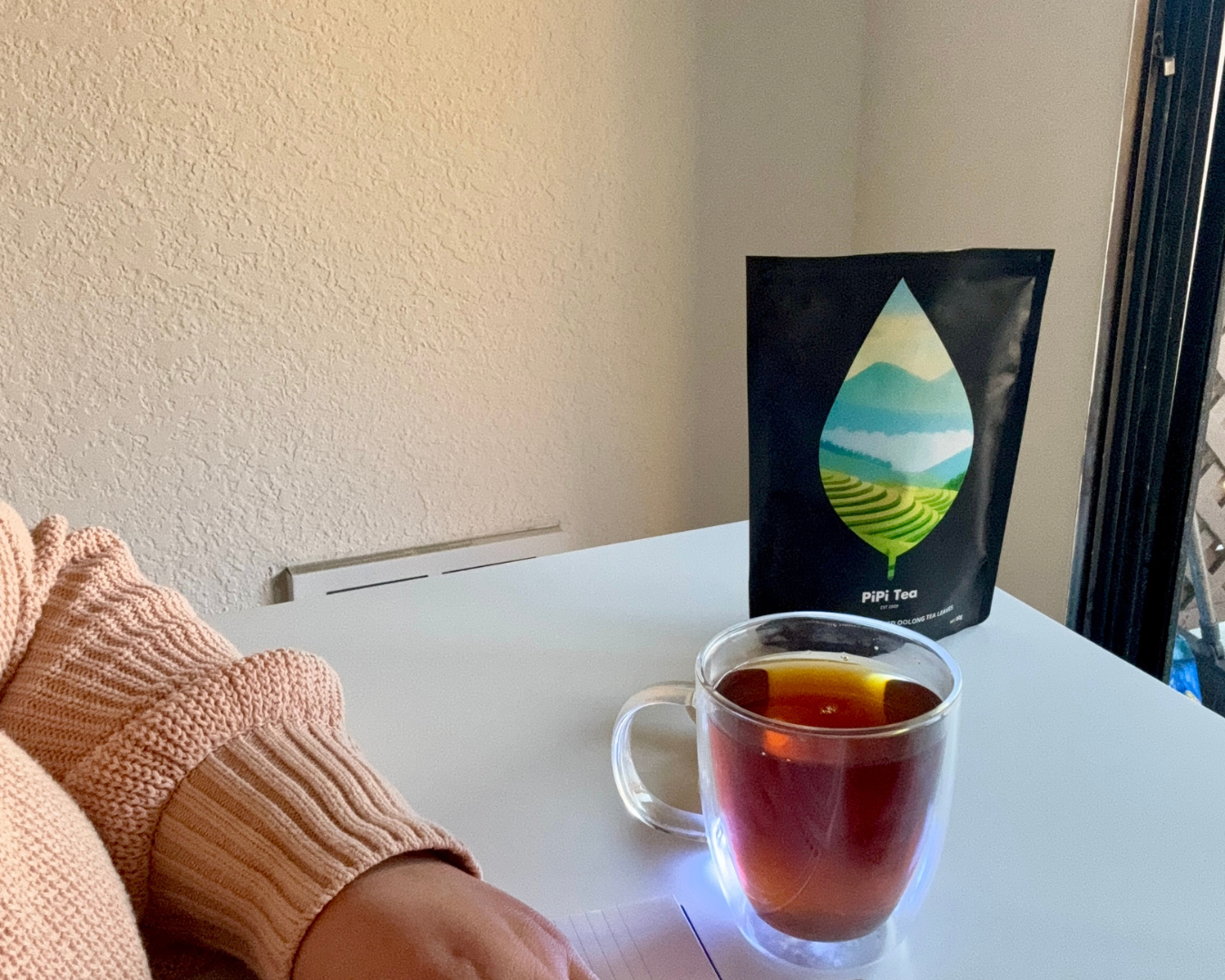
One cup. Every morning.
When your adiponectin comes back, your liver remembers how to do its job.
You eat the eggs again.